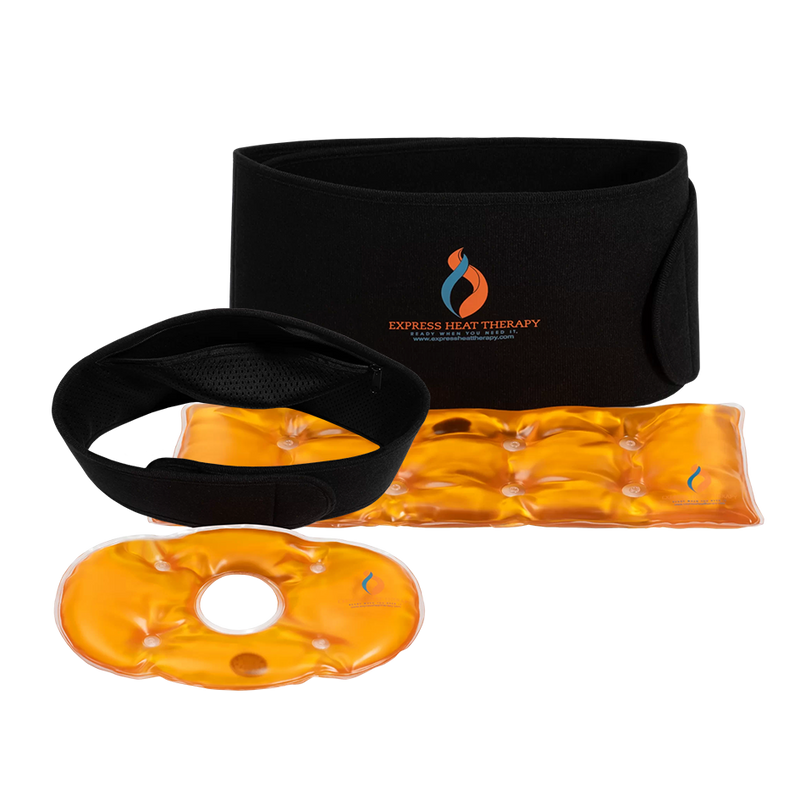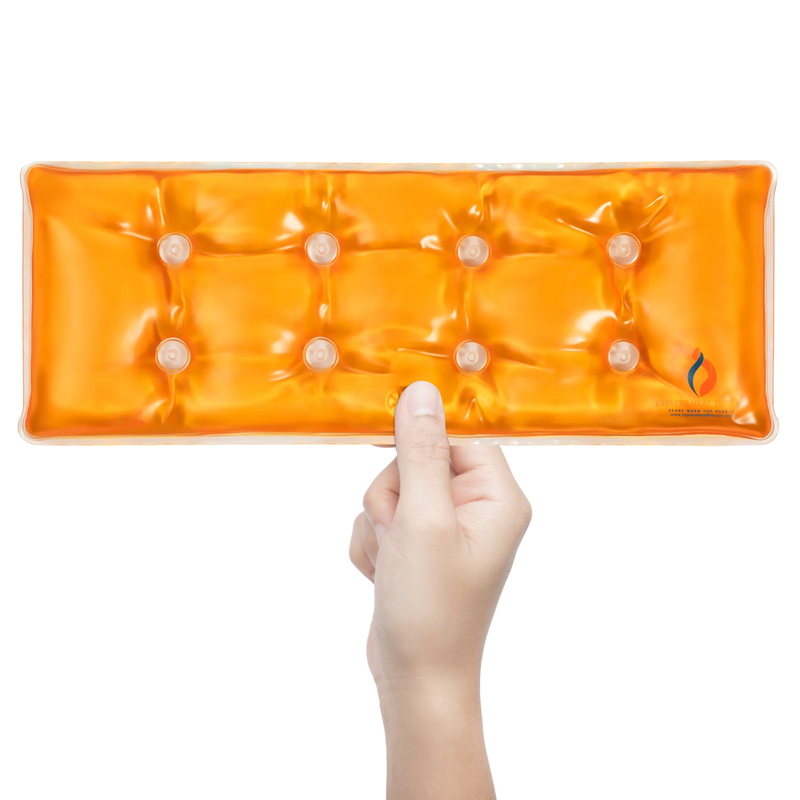

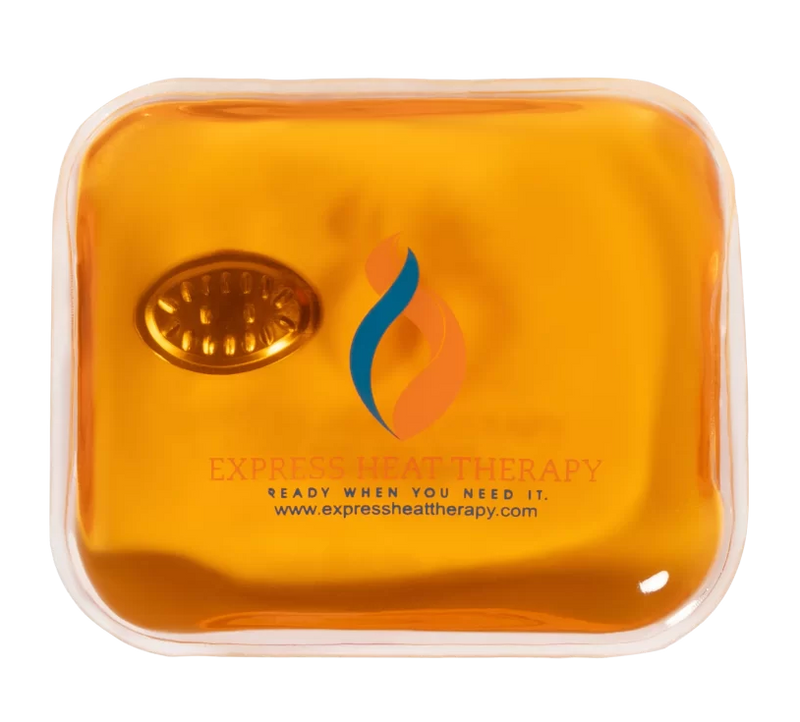

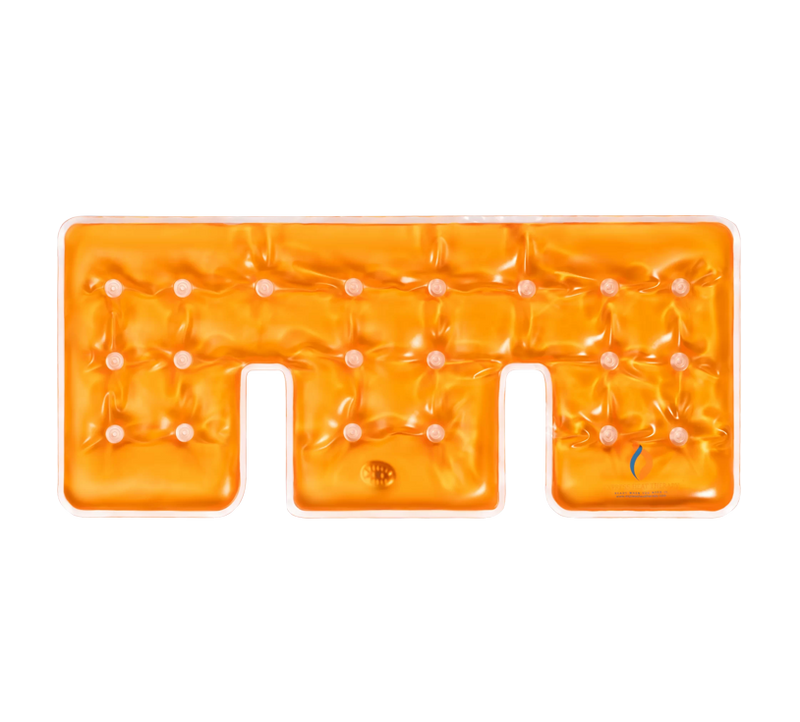




You use your heating pad a lot. For cramps, back pain, sore muscles, and stiff joints. But when was the last time you actually cleaned it?
Most people skip that part. And it is not a big deal at first, but over time, the fabric starts to smell, and the pad stops working as well as it used to.
Knowing how to clean a heating pad properly keeps it fresh and safe to use for much longer.
This blog covers how to clean different types of heating pads, how to store them, and how to know when it is time to get a new one.
How to Clean a Reusable Heating Pad
You don’t clean all heating pads the same way. The method you use depends on the type you have. Using the wrong approach can damage the pad or make it unsafe to use.
How to Clean a Fabric Heating Pad

Fabric heating pads are usually the easiest to clean. Most come with a removable cover that you can toss in the wash. If yours has one, take it off and wash it on a gentle cycle with cold water. Let it air dry completely before putting it back on the pad.
For the pad itself, do not submerge it in water. Wipe it down with a damp cloth and a small amount of mild soap. Then wipe it again with a clean, damp cloth to remove any soap residue. Let it dry fully at room temperature before using or storing it.
How to Clean a Microwavable Heating Pad
 Knowing how to clean a microwavable heating pad is important because these pads usually contain grains, seeds, or gel, and getting them wet can cause mold or damage the filling.
If the cover is removable, wash it by hand or on a gentle machine cycle, then air-dry it. For the inner pad, spot clean only.
Use a lightly dampened cloth to wipe away any surface dirt or stains. Never soak it or run it under water. Let it air out in a well-ventilated area between uses to prevent moisture buildup.
How to Clean an Electric Heating Pad
 Electric heating pads need the most care when cleaning. Always unplug the pad completely before you do anything else.
If it has a removable fabric cover, take it off and wash it according to the label. For the electric pad itself, never put it in water or a washing machine. Wipe the surface down with a slightly damp cloth and let it dry completely before plugging it back in.
Learning how to clean an electric heating pad properly is mostly about knowing what not to do. Water and electrical components do not mix.
How to Reset a Heating Pad After Use
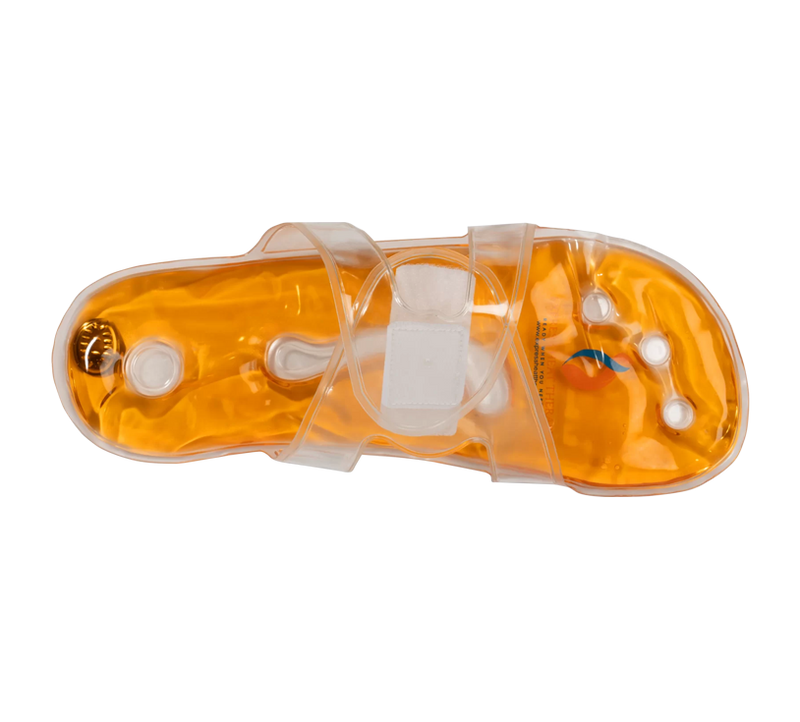
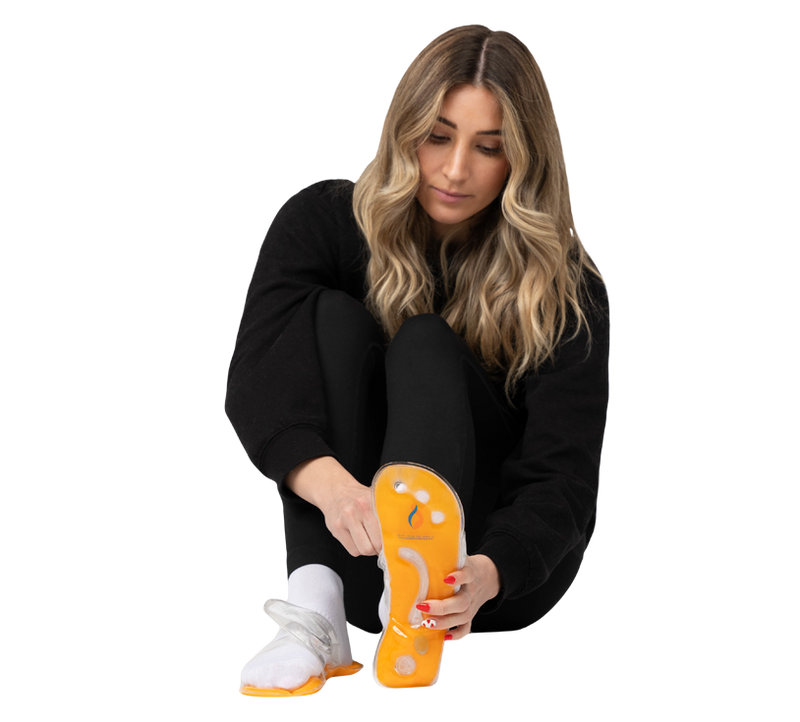
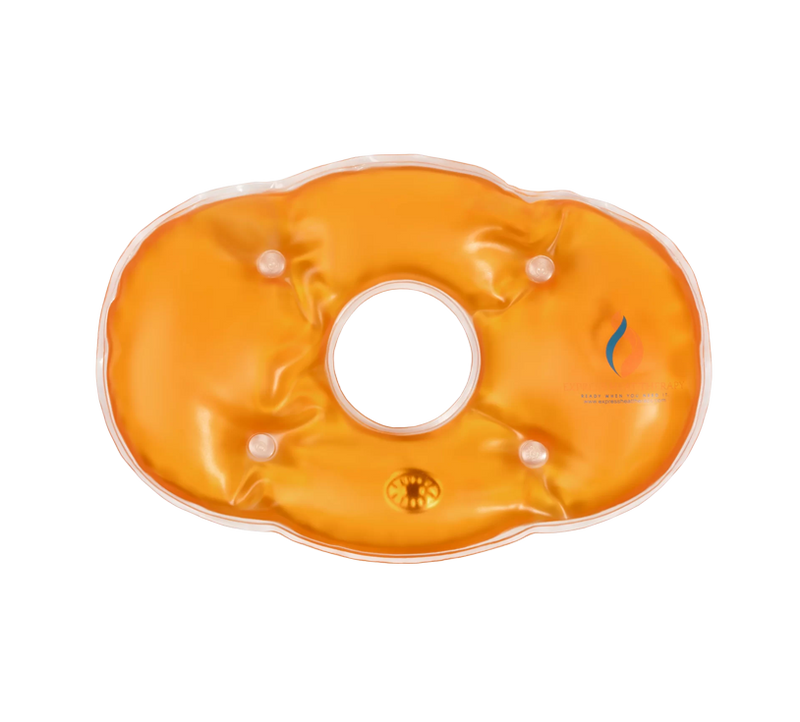
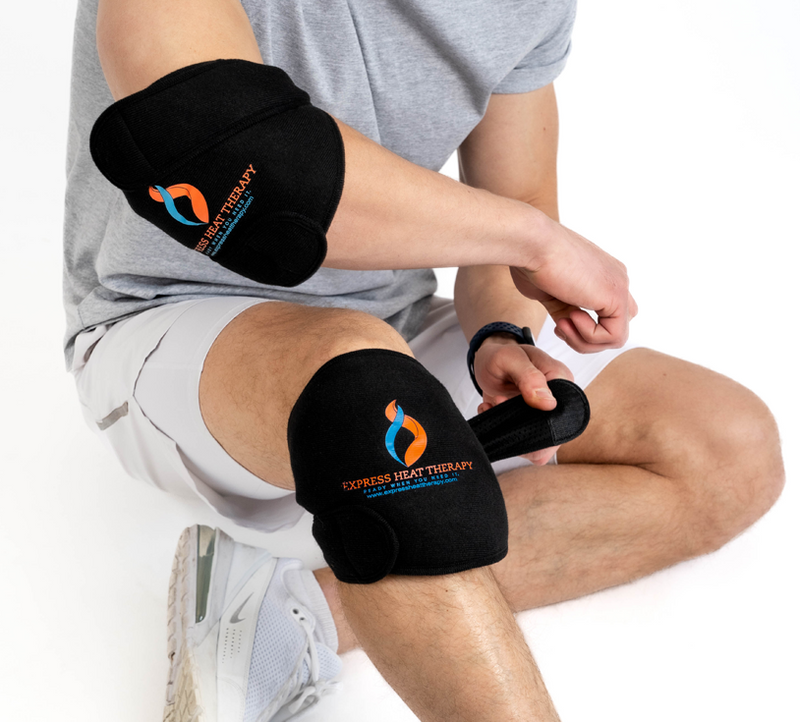
 Some reusable heating pads, like instant heat pads that use a clicking disc to activate, need to be reset after each use.
To reset them:
-
Boil the pad in water for a few minutes until the crystals inside fully dissolve back into liquid
-
Then let it cool down to room temperature before clicking it again or storing it
-
Do not skip the full reset
Using a pad that has not been properly reset means it will not heat evenly, and the crystals can harden, shortening the pad's lifespan.
How Long Does a Reusable Heating Pad Last
A well-cared-for instant heat pad can last several years with regular use. Microwavable pads tend to last one to three years before the filling starts to break down.
Electric heating pads can last even longer as long as the cord and heating element stay in good condition.
The biggest factors are how often you use it, whether you store it properly, and whether you clean it properly.
A pad that is stored damp, folded incorrectly, or never cleaned will wear out much faster than one that gets basic regular care.
How to Store a Heating Pad
Always make sure the pad is completely dry before putting it away. Storing it while damp leads to mold and odor, especially in microwavable pads with organic fillings.
-
Keep it in a cool, dry place away from direct sunlight.
-
Do not leave it in a hot car or a humid bathroom.
-
Do not fold it sharply or sit heavy objects on top of it.
-
Do not expose it to very high heat outside of normal use.
-
If it gets wet, let it dry fully before using it again.
-
Check it regularly for any cracks, leaks, or worn spots in the fabric.
If it came with a pouch or bag, use it. That extra layer protects the pad from dust and physical damage between uses.
For electric pads, loosely coil the cord rather than wrapping it tightly, as tight wrapping can damage the wiring over time.
Signs Your Heating Pad Needs to Be Replaced

Even with good care, every heating pad has a lifespan. Knowing the signs of wear helps you catch problems before they become a safety issue.
For instant heat pads:
-
Watch for cracks in the plastic casing, leaking liquid, or a pad that no longer heats evenly after being reset.
-
If the clicking disc stops working or the pad remains soft and fails to activate properly, it is time for a new one.
For microwavable pads:
-
Signs of wear include a burning smell when heated, clumping or hardening of the filling, or visible damage to the fabric.
-
If the filling has shifted so much that heat is uneven, the pad is no longer doing its job.
For electric pads:
-
Check the cord regularly; fraying, kinking, or any visible damage to the wire is a serious sign that the pad needs to be replaced immediately.
-
Do not use an electric pad with a damaged cord.
Heating Pad Care When Traveling

An instant heat pad is the easiest option for travel care. It does not need electricity or a microwave, it fits easily into a bag, and it activates on demand wherever you are.
If you are bringing a microwavable pad, pack it in its removable pouch or a zip-lock bag to protect it from dirt and moisture in your luggage.
Make sure it is completely dry and at room temperature before packing it away.
For electric pads, check that the voltage is compatible when traveling internationally. Loosely coil the cord and store it flat to avoid stressing the wiring.
Never pack a heating pad at the bottom of a heavy bag where it can get crushed or bent out of shape.
Putting a little extra care on the road means your pad arrives in the same condition it left in, ready to use when you need it.
Wrapping Up
A few minutes of basic maintenance after each use, storing it properly, and cleaning it the right way helps you use your pad a lot longer.
Whether you use it every day or occassionally, treat it well and it will keep doing its job. And when you are ready for a pad that is built to last, Express Heat Therapy has reusable options designed for instant pain relief.
FAQ
Can you put a heating pad in the washing machine?
It depends on the type. If your heating pad has a removable fabric cover, that cover can usually go in the washing machine. However, electric heating pads should never go in the washing machine.
Microwavable pads should not either, as water can damage or mold the filling. For most reusable heating pads, spot cleaning and wiping down is the safest approach.
How do I clean the pouch, belt, or strap that comes with my heating pad?
If the pouch, belt, or strap is fabric and detachable, hand wash it with mild soap and cold water. Rinse it well and let it air dry completely before using it again. Avoid putting it in a dryer as heat can shrink the material or weaken the stitching. If it is not detachable, wipe it down with a damp cloth the same way you would the pad itself.
What should I do if my heating pad leaks?
Stop using it immediately. For an instant heat pad, leaking liquid means the casing is cracked or damaged. The liquid inside, sodium acetate, is non-toxic, but a damaged pad will not heat properly and is not safe to keep using. For a microwavable pad, leaking filling is a sign the seams have worn through. Either way, a leaking pad needs to be replaced, not repaired.
What are the signs my heating pad needs to be replaced?
The main ones to watch for are uneven heating, a burning or unusual smell during use, visible cracks or leaks, fabric that is worn through or heavily stained, and for electric pads, any damage to the cord.
If the pad is no longer reaching the right temperature or is taking much longer than usual to heat up, that is also a sign it has reached the end of its use.
How do I store my heating pad between uses?
Make sure it is fully dry and back to room temperature before putting it away. Store it in a cool, dry place, away from sunlight and humidity.
Use the removable pouch it came with if you have one. Keep it somewhere it will not get bent, crushed, or piled under heavy items. For electric pads, loosely coil the cord and store it flat.