




There’s nothing quite like the comfort of warmth when you’re sore, tense, or simply tired. Heat helps relax your muscles, improve your blood flow, and ease your pain, which is why so many people turn to heating pads or electric blankets for relief.
But when it comes to actual pain management (not just comfort), you might wonder: which one works better, a heating pad or an electric blanket?
In this guide, we’ll answer that question. We’ll explain the differences between a heating pad and a heating blanket, how each one works, their benefits and risks, and which is best for your needs.
Let’s get right in.
What Is the Difference Between an Electric Heating Pad and an Electric Blanket?

Both devices use electricity to generate warmth, but their design and function are different.
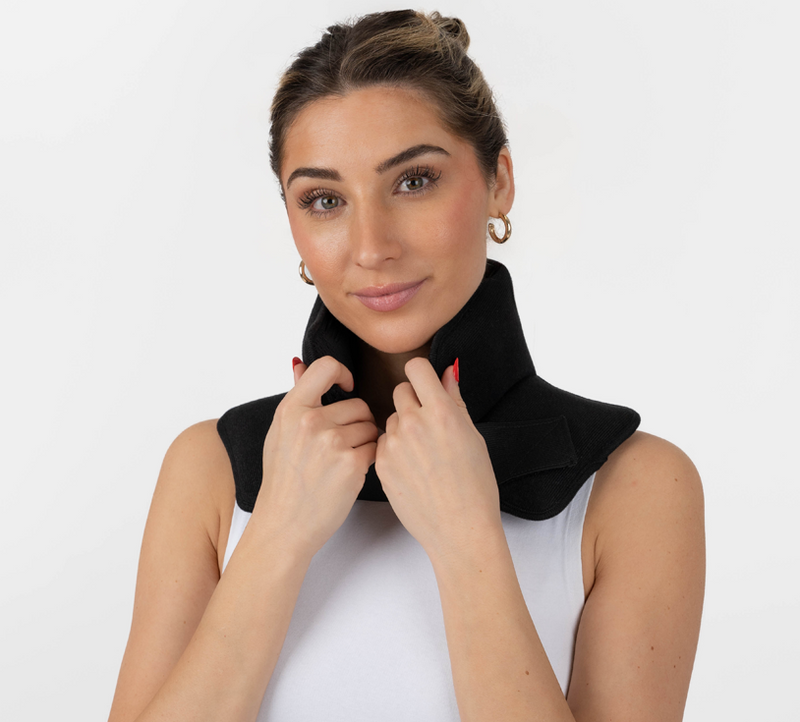
A heating pad is made for targeted heat therapy. You place it directly on sore muscles or joints, for instance, on your lower back, neck, or knees, to deliver targeted heat.
An electric blanket (or heating blanket) is made to warm your entire body or bed. It distributes heat evenly across a large surface, providing full-body comfort instead of targeting a specific area.
In summary:
-
A heating pad is like a warm compress, targeted to a specific body part, and therapeutic
-
An electric blanket is like a cozy wrap, gentle and widespread
Both can help you feel relaxed, but for direct pain relief, heating pads usually work faster and more effectively.
Electric Blanket: Pros and Cons

Pros of Electric Blankets
-
Comfort and relaxation: It is perfect for keeping you warm in cold weather or for easing the general tension you feel before you sleep
-
Energy-saving: Instead of heating an entire room, an electric blanket keeps your bed warm, helping reduce your heating costs
-
Even heat distribution: It covers a large surface area, thereby keeping your whole body warm
Cons of Electric Blankets
-
Limited pain relief: Because it provides broad, mild heat, it doesn’t deliver targeted warmth for muscle or joint pain
-
Safety concerns: Old or damaged cords can increase fire or burn risk
-
Maintenance: People often ask, “Can you wash an electric heated blanket?” Some modern ones are machine-washable, but not all. Always check the care label first
-
Health concerns: Modern research hasn’t proven any direct link between electric blankets and cancer, but old or faulty models can emit electromagnetic fields (EMFs)
-
Overheating risk: Sleeping with one on all night can cause dehydration or skin irritation
If you’re considering one, choose a newer model with temperature control and an automatic shut-off.
Electric Heating Pads: Pros and Cons

Pros of Heating Pads
-
Targeted therapy: It is ideal for sore muscles, cramps, and stiff joints
-
Adjustable heat intensity: Some modern electric heating pads allow you to choose the right heat level for your body
-
Mobility: It is smaller, portable, and easy to apply directly to any part of your body
-
Faster results: It is concentrated heat, which means it penetrates more deeply and provides faster relief
-
Safer temperature range: Most heating pads come with automatic shut-off features and short usage limits
Heating pads are also considered a good alternative to electric blankets, especially for people who want safe, short sessions of direct warmth rather than all-night heat.
Cons of Electric Heating Pads
Although electric heating pads are generally safer, they can still pose risks if misused:
-
Using them for too long can cause skin irritation or mild burns
-
Falling asleep with them on is unsafe
-
Overheating a single spot repeatedly may dry out the skin
As with any electrical product, make sure you follow safety precautions.
Heating Pad Vs Electric Blanket: What’s Best for You?
Well, the answer depends on what you want the heat for.
| Goal | Best Option | Why |
|---|---|---|
| Targeted pain relief (back, neck, cramps, joints) | Heating pad | You get direct warmth that relaxes your muscles and improves your blood flow where it’s needed most. |
| Full-body comfort during cold nights | Electric blanket | You get gentle warmth across the bed. |
| Regular heat therapy sessions | Heating pad | It is portable, controlled, and safer for short-term use. |
| Long-term warmth without high energy bills | Electric blanket | It keeps you warm and comfortable without heating the entire room. |
If pain relief is your main goal, a heating pad is the best option. Electric blankets are great for relaxation and sleep comfort, but they don’t provide the intensity or precision needed for muscle therapy.
Are Heating Pads Safer Than Electric Blankets?
Yes. Heating pads are generally safer for pain relief because they’re used for shorter periods and don’t stay on while you sleep. Electric blankets, if left on overnight, can cause overheating or dry out the skin.
Some modern heating pads have built-in safety timers, while electric blankets rely on the user to turn them off. If you often fall asleep with the heat on, a pad with an auto shut-off is a safer option.
What Is Better Than an Electric Blanket?

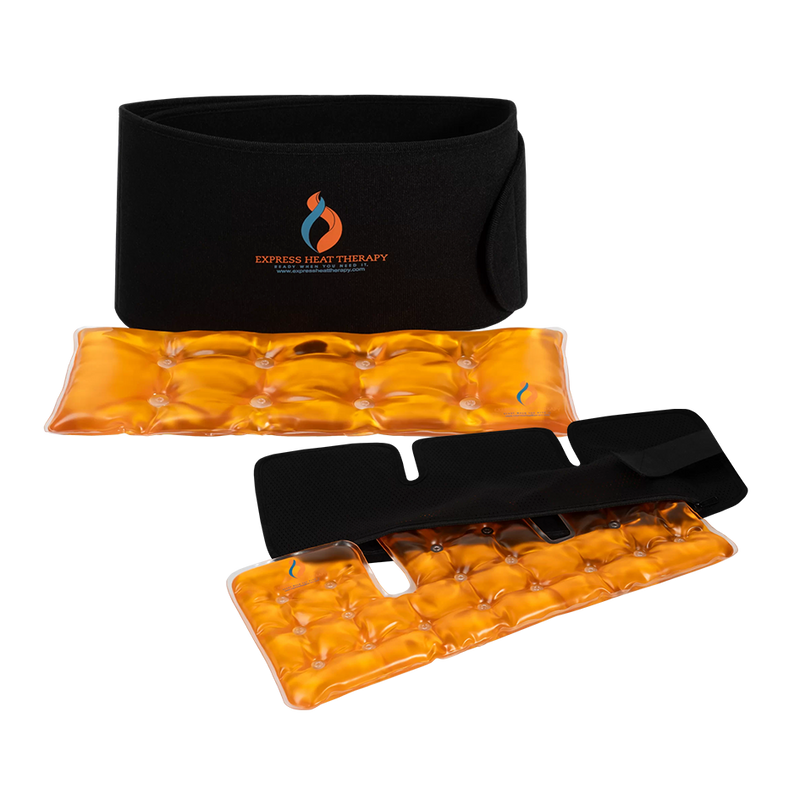
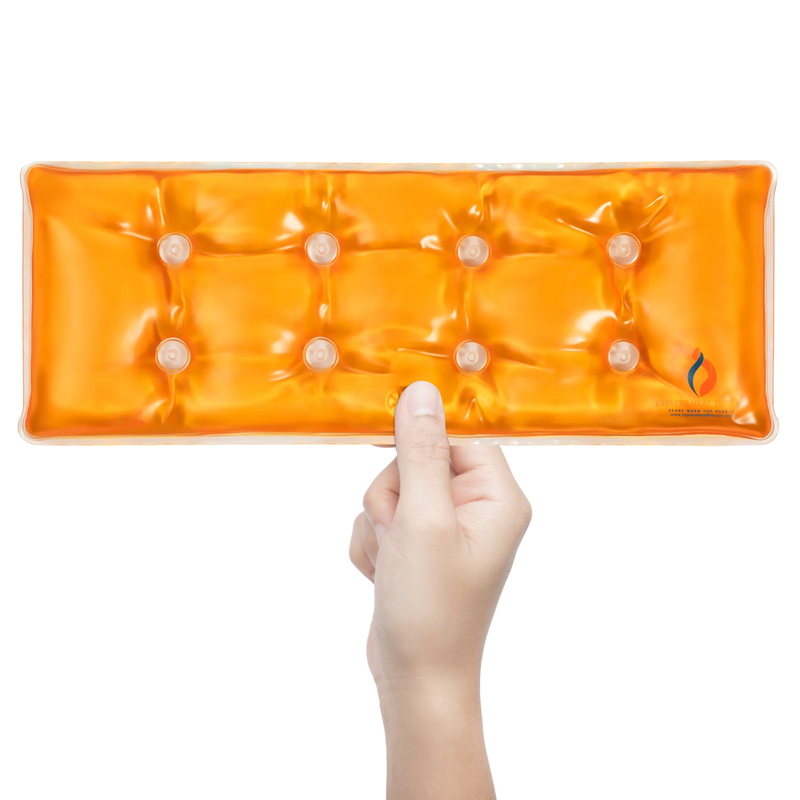
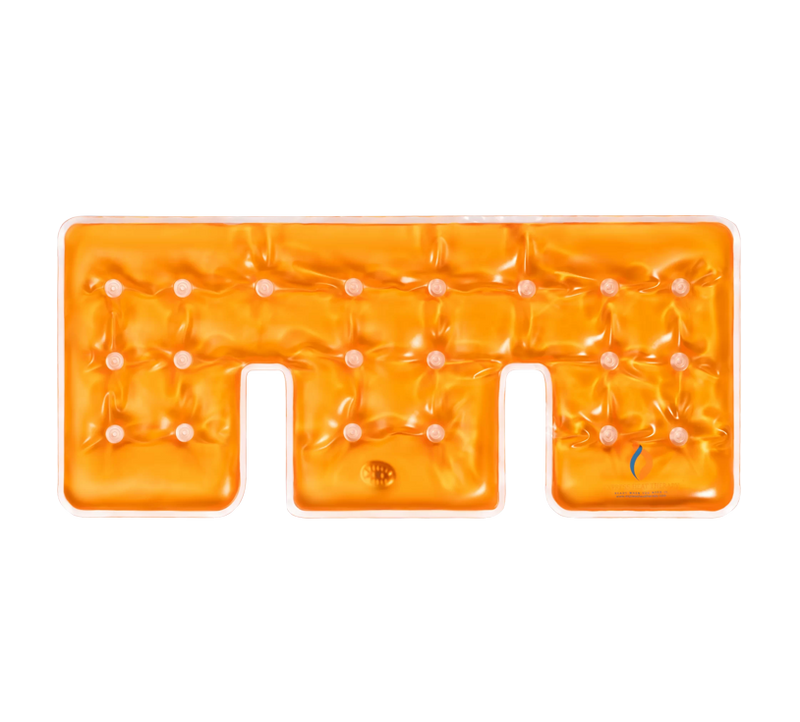
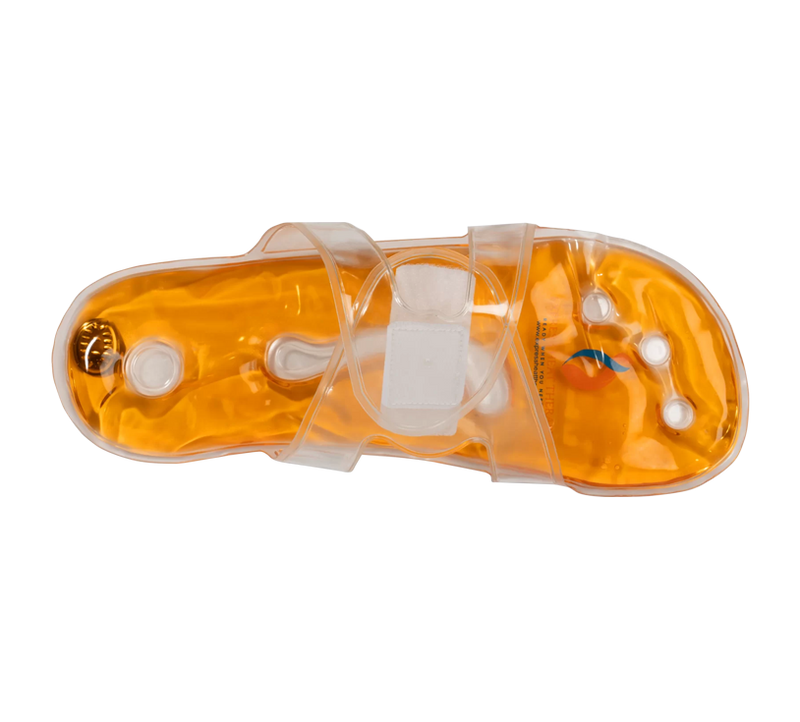
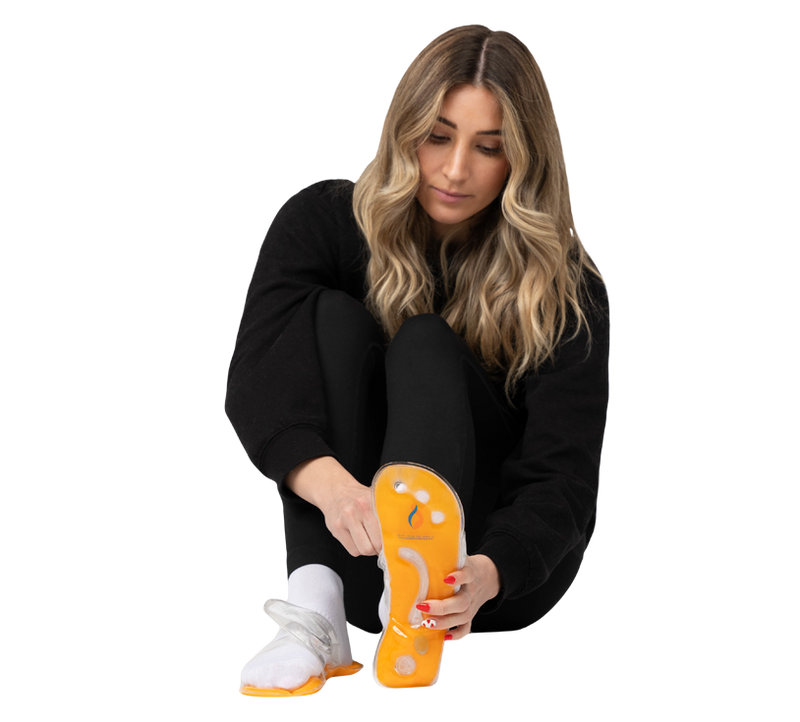
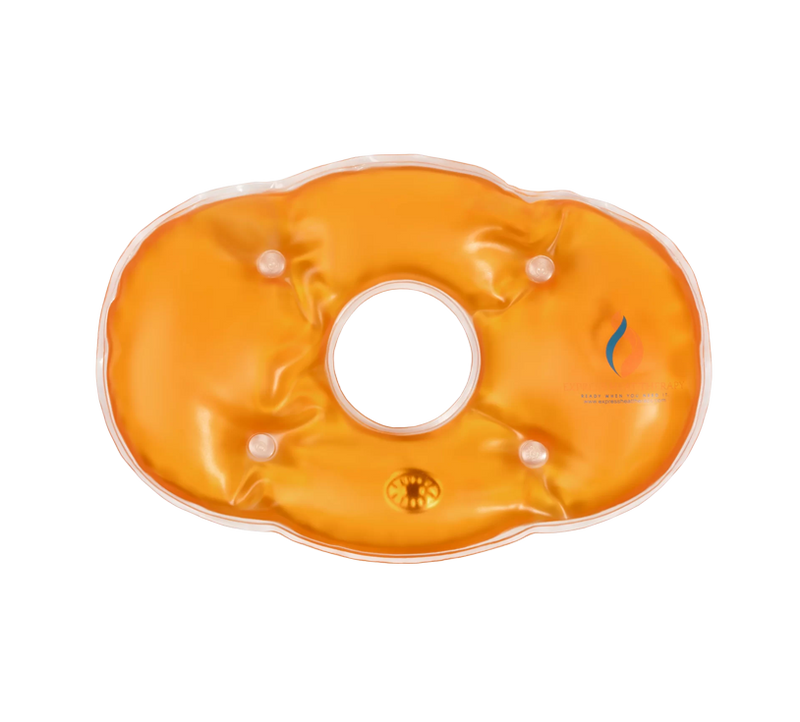
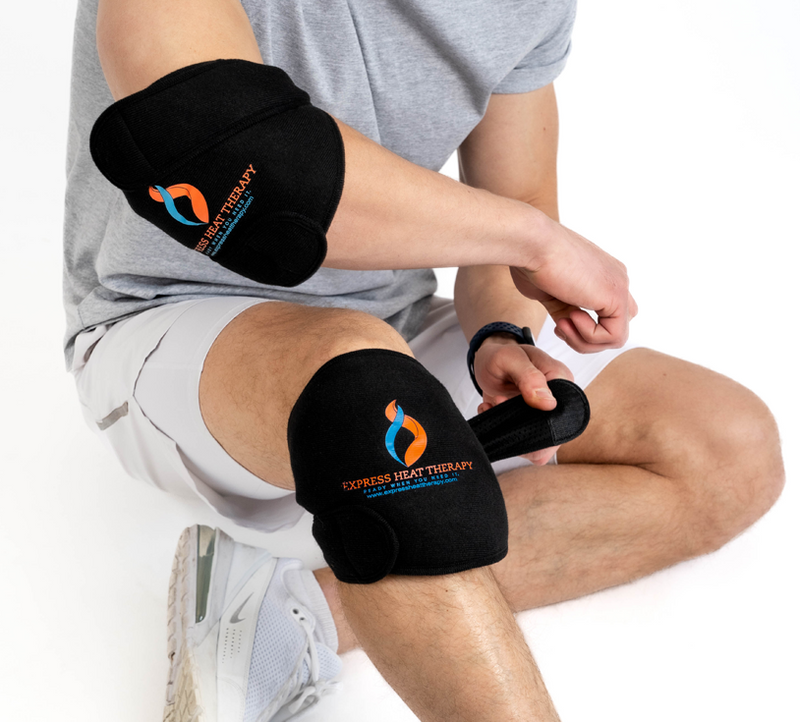
If you want comfort without cords or the risk of overheating, reusable heating pads are usually a better choice. They provide natural heat therapy that’s portable, adjustable, and safe.
They’re also great for anyone who doesn’t want to worry about electricity costs, and yes, if you’re wondering, “Do electric blankets use a lot of electricity?”, the answer is yes, they use more power than electric heating pads because they stay on for longer hours. However, reusable heating pads don’t require electricity at all.
Safety Tips for Using Heating Pads and Electric Blankets
If you truly want to enjoy heat therapy comfortably, then you need to practice certain safety tips. Some of these tips include:
-
Always check the cords and connections for wear or damage
-
Never use while sleeping or with infants or pets
-
Avoid folding electric blankets while in use, as it can damage the wiring
-
Keep both devices away from water or damp surfaces
-
Use moderate heat settings; too high can cause burns or dryness
-
If you have circulation issues, diabetes, or nerve problems, consult your doctor before regular use
-
Unplug when not in use
Wrapping Up
Both heating pads and electric blankets have their place in your comfort routine; it all depends on what you’re using them for.
As discussed in this blog post, if you’re looking for targeted pain relief, choose a heating pad. It’s safer, more precise, and delivers direct warmth exactly where you need it.
If you just want to stay warm and relaxed, an electric blanket provides you with full-body comfort and helps you save on heating bills.
For most people seeking relief from soreness or stiffness, a heating pad is the safer choice. It’s portable, easy to control, and designed specifically for therapy, not just warmth.
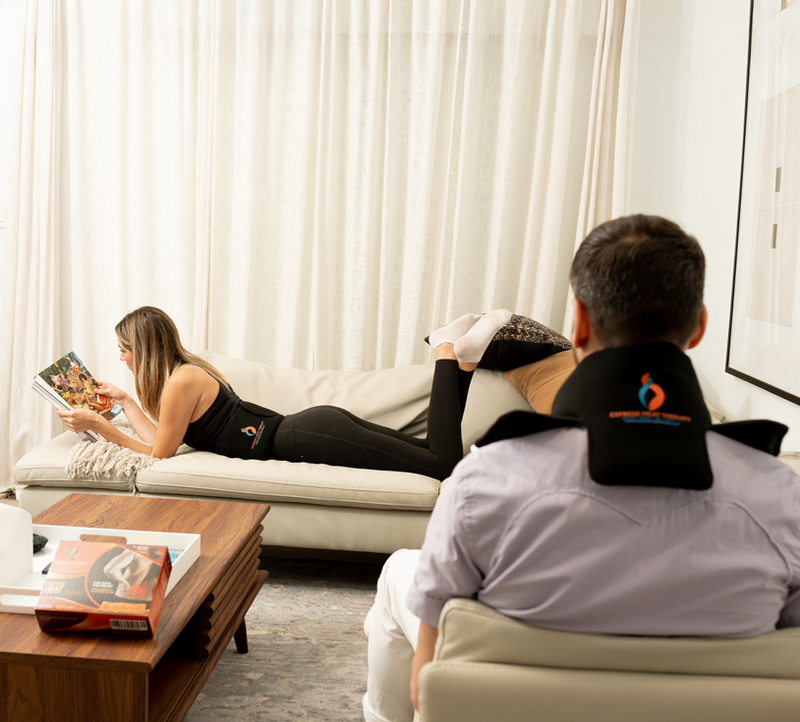
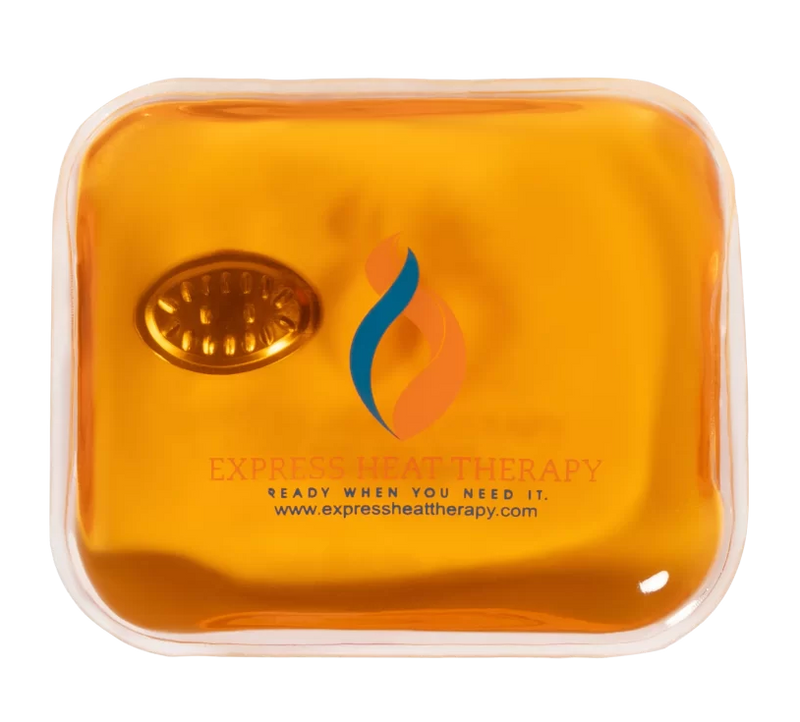
Explore Express Heat Therapy’s reusable heating pads to enjoy natural, targeted warmth without the risks of overnight heating.
Frequently Asked Questions (FAQs)
-
Is a heated blanket as good as a heating pad?
No. Electric blankets are better for general warmth, while heating pads work directly on sore muscles and joints for faster pain relief.
-
Why don’t people use electric blankets anymore?
Many older models lacked safety features and consumed more power. Today, reusable heating pads and newer low-voltage blankets have replaced them.
-
What are the disadvantages of a heated blanket?
They can overheat, are harder to clean, and may pose safety risks if left on too long or folded during use.
-
Is it healthy to sleep with an electric blanket on all night?
No. Exposing your skin to prolonged heat can cause dryness, disrupt circulation, and increase the risk of fire. It’s best to warm your bed before sleep, then switch it off.
-
What is the lifespan of an electric blanket?
Typically 5–10 years, depending on quality and care. Always check wiring and replace it if you notice any wear, uneven heating, or frayed cords.