




Anyone living with ankylosing spondylitis (AS) would tell you that it means waking up stiff, moving with great restraint, and spending most of your day managing pain that never fully stops.
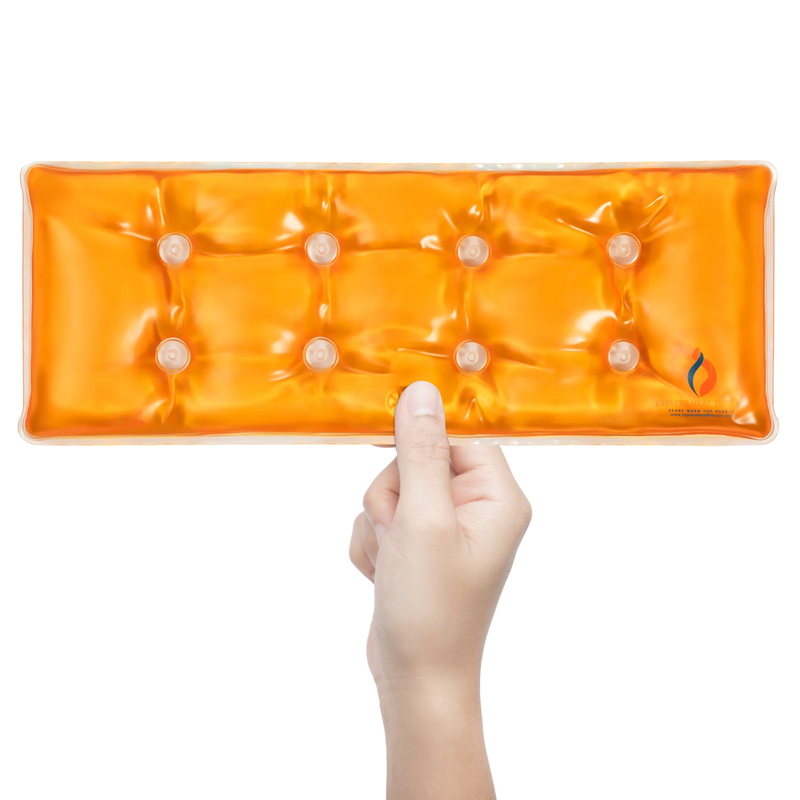
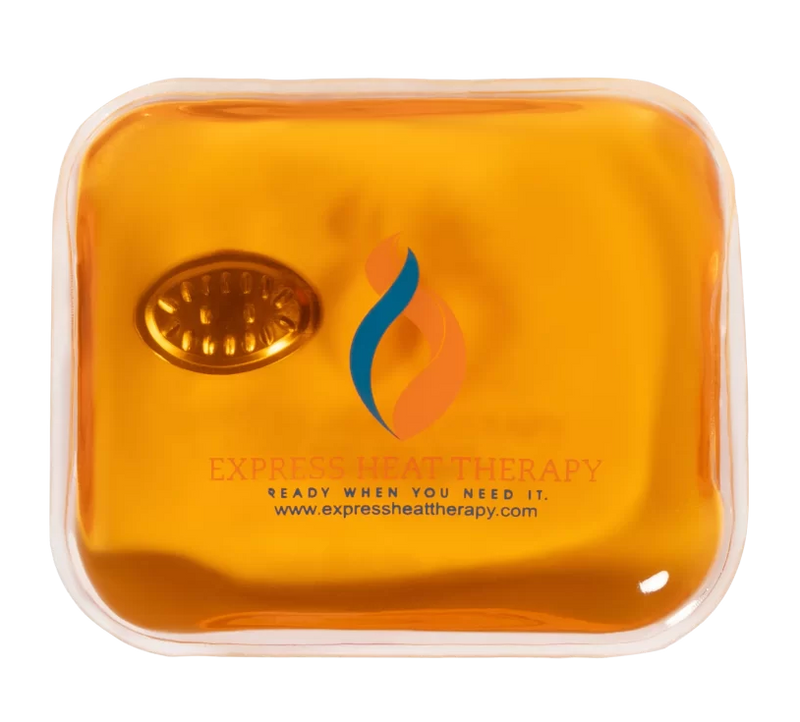
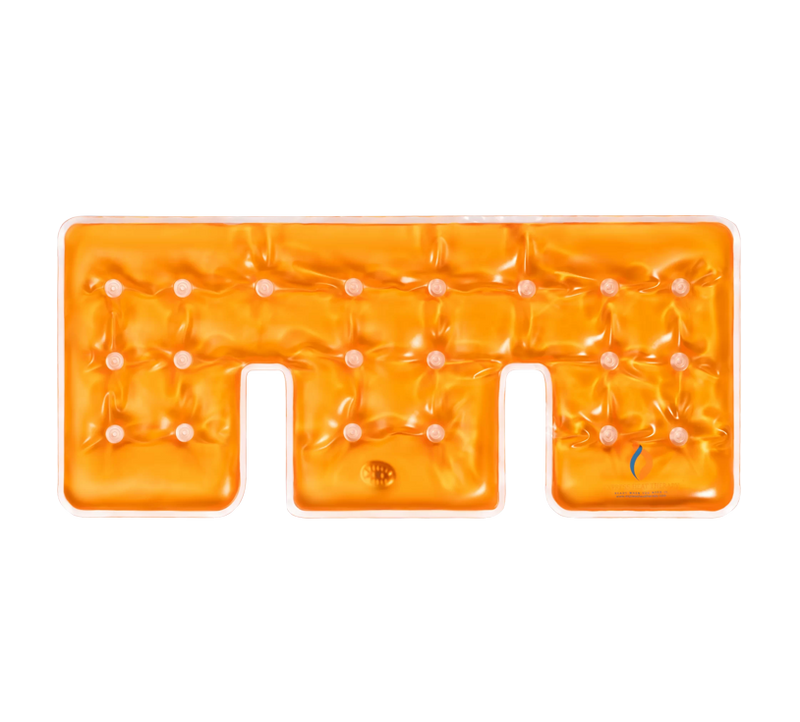
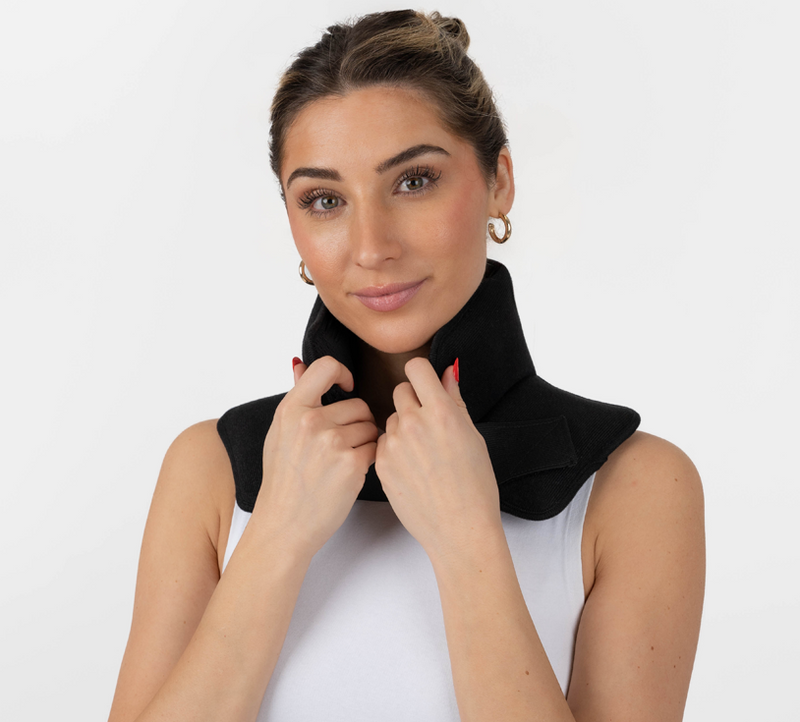
Although medication and physical therapy help, you still need something that provides instant pain relief. Well, that’s exactly why heating pads for ankylosing spondylitis were created.
Heat therapy is not a cure, yet ankylosing spondylitis and heating pads are a great combo. Heating pads are one of the most effective tools you can use daily without a prescription or a clinic visit.
Now, here is everything you need to know about using heat therapy for ankylosing spondylitis.
What Is Ankylosing Spondylitis?

Ankylosing spondylitis is a type of inflammatory arthritis that primarily affects the spine. It causes the vertebrae to become inflamed over time, leading to chronic pain, stiffness, and, in severe cases, gradual fusion of the vertebrae. The hips, shoulders, and other joints can also be affected.
It is a long-term condition. There is no cure. But symptoms can be managed, and daily pain can be reduced with the proper combination of treatment, movement, and heat therapy.
NOTE: Ankylosing spondylitis is different from regular back pain. The stiffness is usually worse in the morning or after long periods of rest, and it tends to improve with movement and warmth. That pattern is exactly why so many people with ankylosing spondylitis use heating pads as part of their daily routine.
Does Heat Help Ankylosing Spondylitis?

Yes, it does. Heat increases blood circulation in the area where it is applied. Better circulation means more oxygen and nutrients reaching inflamed joints and tight muscles. It also helps relax muscle spasms, which are common around the spine when the body is constantly bracing itself against pain and stiffness.
For ankylosing spondylitis specifically, heat therapy helps in three key ways:
-
It loosens stiffness
-
It reduces the muscle tension that builds up around inflamed joints
-
It improves the range of motion enough to make stretching exercises and physical therapy more effective.
So, is heat good for ankylosing spondylitis? The simple answer is yes. A heating pad for ankylosing spondylitis used consistently, especially in the morning or before movement, can change how well you function and recover every day.
That said, it is important to understand ankylosing spondylitis and heat intolerance. Some people with ankylosing spondylitis are sensitive to heat, either because of the condition itself or because of medications they are taking. If heat makes your symptoms worse or leaves you feeling drained and fatigued, talk to your doctor before continuing.
Is Heat or Cold Better for Ankylosing Spondylitis?

This is one of the most common questions people ask, and the honest answer is that it depends on what your body is dealing with at that moment.
Heat and cold do opposite things. Heat relaxes, opens up blood vessels, and increases circulation. Cold constricts blood vessels, numbs pain, and reduces swelling. Neither is universally better. They are tools, and the right one depends on the situation.
For ankylosing spondylitis, heat tends to be the better option. Because ankylosing spondylitis is caused by chronic inflammation deep in the spine and joints, the daily challenge is less about acute swelling and more about stiffness, muscle spasm and joint stiffness, and restricted spinal mobility.
Heat addresses all of these directly. It warms up the tissue, loosens the muscles bracing around inflamed joints, and improves the range of motion, making movement less painful.
Cold therapy is more useful during a flare, when a specific joint is visibly swollen and hot to the touch. In that case, applying cold for short periods can bring down the acute inflammation before it settles
How to Use a Heating Pad for Ankylosing Spondylitis

Using an ankylosing spondylitis heating pad correctly involves the following steps:
-
Apply heat before movement, not after: Ankylosing spondylitis stiffness is worst after rest. Using your heating pad for 15 to 20 minutes before you start moving, before your morning stretching exercises or before physical therapy, prepares the muscles and joints to move with ease. You will get more out of every stretch when the tissue is already warm and loose.
-
Target the right areas: For most people with ankylosing spondylitis, the lower back and sacroiliac joints are the primary sites of pain. Apply the heating pad directly to those areas. If your hips or shoulders are also affected, work those areas separately.
-
Keep sessions to 15 to 20 minutes: That is long enough to improve blood circulation and relieve muscle spasms and joint stiffness. If you are using heat multiple times a day, give your skin time to return to normal temperature between sessions.
-
Use a consistent temperature: Medium heat is usually enough. When you use high heat, you risk getting skin irritation, especially for people managing ankylosing spondylitis and heat intolerance.
-
Pair heat with gentle movement: Heat therapy works best when followed by light stretching exercises or mobility work. The warmth temporarily improves your range of motion and spinal mobility, and using that window to move gently compounds the benefit over time.
NOTE: Physical therapy exercises performed immediately after heat application tend to be more effective and less painful than when done cold.
Wrapping Up
Living with ankylosing spondylitis means dealing with stiffness that happen continously, especially after resting. It affects how you move and even how you start your day. This is why it’s important that you use a heating pad for instant pain relief.
Although a heating pad doesn’t change the condition, it loosens your muscles to prevent restricted movement.
When you use it constantly, a heating pad for ankylosing spondylitis will reduce your morning stiffness, make stretching easier, and support better movement throughout the day. It works best when it becomes part of your routine, not something you only reach for when the pain is already intense.
The main thing is timing and consistency. Always remember to apply heat before movement, not after.
FAQs
Is a heating pad good for ankylosing spondylitis?
Yes. A heating pad is one of the simplest ways to manage daily stiffness and discomfort. It helps relax tight muscles, improve blood flow, and make movement easier. Many people with ankylosing spondylitis use heat daily, especially in the morning, when they feel the stiffest.
What is the best pain relief for ankylosing spondylitis?
The best approach is usually a combination of treatments. This can include medication, physical therapy, regular movement, and heat therapy. A heating pad works well as part of daily pain management because it provides quick relief without needing medication every time.
What is the best position to sleep with ankylosing spondylitis?
Sleeping on your back with proper support is recommended. Keeping your spine in a neutral position helps reduce strain. A thin pillow under your head and possibly one under your knees can improve comfort. Avoid positions that cause your spine to curl forward for long periods.
What are the worst exercises for ankylosing spondylitis?
High-impact activities and exercises that put too much strain on the spine are not ideal. This includes heavy lifting with poor form, intense twisting movements, or exercises that force the spine into uncomfortable positions. Gentle stretching and low-impact movements are usually better.
What is the root cause of ankylosing spondylitis?
The exact cause isn’t fully understood, but it is linked to the immune system and genetics. In many cases, the body mistakenly attacks its own joints, leading to long-term inflammation in the spine and surrounding areas.
What worsens ankylosing spondylitis?
Long periods of inactivity, poor posture, stress, and skipping regular movement can worsen your symptoms. Cold environments can also increase stiffness for some people. Staying active, maintaining good posture, and using tools like heating pads can help manage these triggers.


