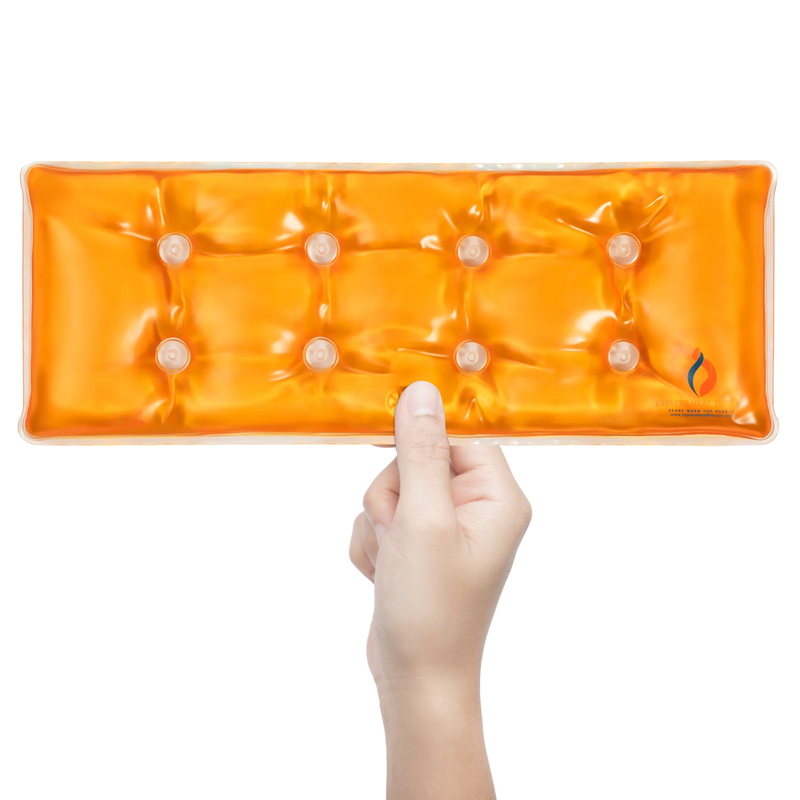

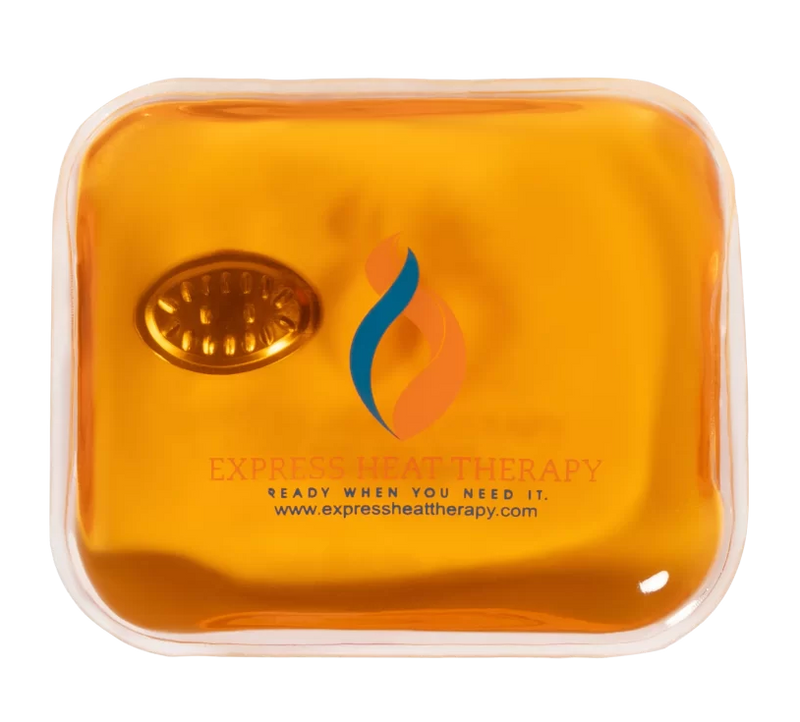

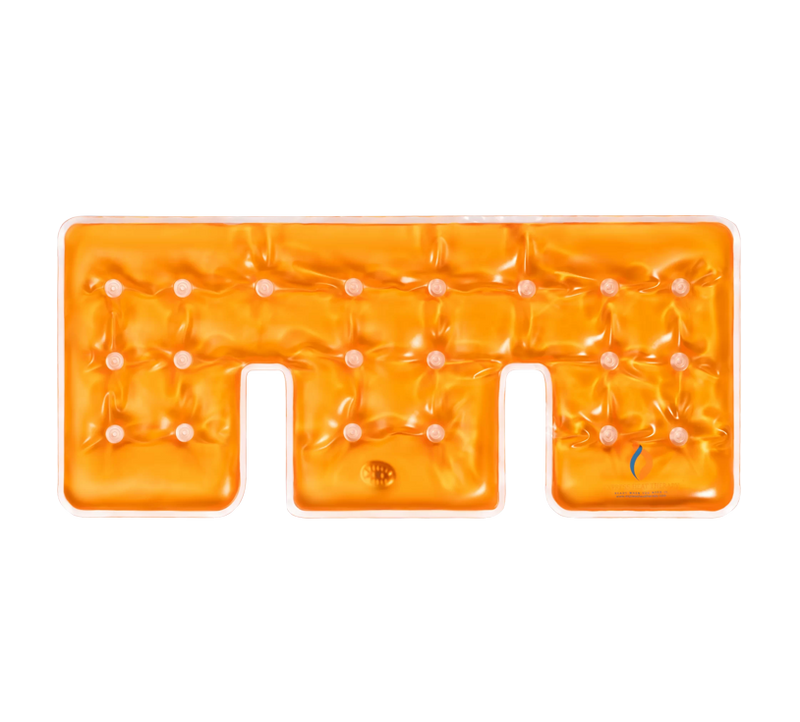

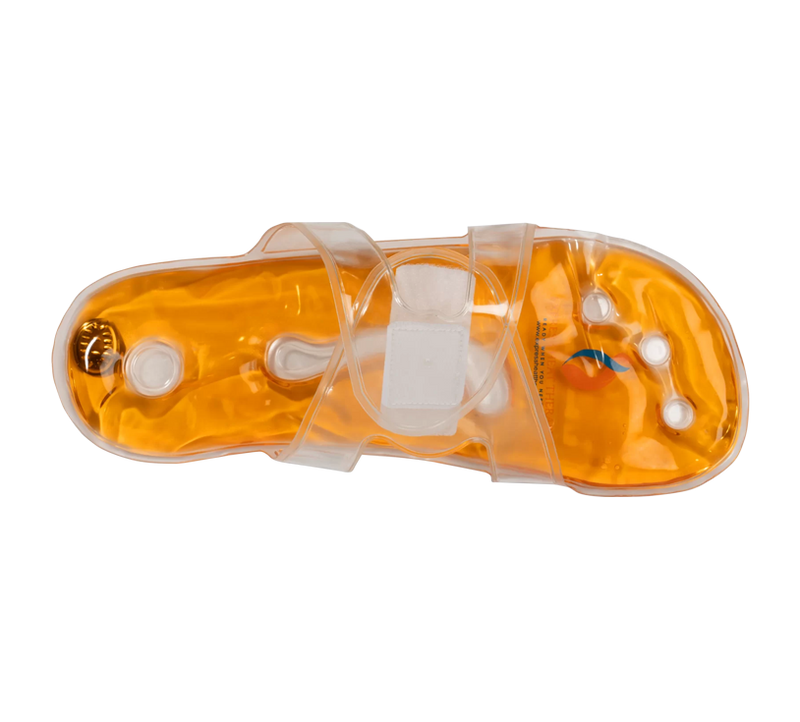




Sciatica pain can be sharp, uncomfortable, and sometimes difficult to ignore. It usually starts in the lower back and travels through the hips and buttocks, then down the leg along the sciatic nerve. For many people, the pain can make everyday movements, such as sitting, walking, or even sleeping, more difficult.
When the discomfort begins, one of the first questions people ask is: Is heat or ice better for sciatica?
While both methods are commonly recommended for pain relief, they work in different ways. Ice therapy helps reduce inflammation and numb the area, while heat therapy relaxes muscles and improves blood flow.
Understanding whether heat or ice helps with sciatica depends on the cause of the pain and the stage of irritation. In some situations, ice may be more effective at the beginning of a flare-up. In others, heat may provide more comfort by relaxing tight muscles around the sciatic nerve.
In this article, we’ll explain whether heat or ice is better for sciatic nerve pain, how each treatment works, and how to use ice and heat for sciatica safely to reduce discomfort and support recovery.
What Is Sciatica and Why Does It Cause Pain?

Sciatica occurs when the sciatic nerve becomes irritated, compressed, or inflamed. The sciatic nerve is the longest nerve in the body. It starts in the lower spine and travels through the hips and buttocks, down each leg. When pressure is placed on this nerve, it can trigger pain that radiates along this pathway.
This pain may feel different from person to person. Some people experience a dull ache in the lower back or hip. Others feel sharp, shooting pain that travels down the leg. Numbness, tingling, or muscle weakness can also occur along the nerve pathway.
Several conditions can lead to sciatic nerve irritation, including:
-
A herniated or slipped disc in the lower spine
-
Spinal stenosis, where the spinal canal narrows
-
Muscle tension, especially in the lower back or piriformis muscle
-
Poor posture or long periods of sitting
When the nerve becomes irritated, inflammation and muscle tightness can develop around the affected area. This is why many people ask whether heat or ice helps sciatica.
Both treatments can target different parts of the problem. Ice helps reduce inflammation and numb the pain, while heat relaxes tight muscles and improves circulation. Understanding this difference is important when deciding whether to ice or heat sciatica during a flare-up.
In the next section, we’ll look more closely at when ice can help with sciatica pain and how to use it safely.
When Ice Is Better for Sciatica Pain

Does heat or ice help sciatica? Well, if your pain has just started or suddenly worsened, ice therapy may be the better option. During the early stage of irritation, cold therapy is often recommended first.
Ice works by reducing inflammation and numbing the affected area. When the sciatic nerve becomes irritated, the surrounding tissues can swell. That swelling places additional pressure on the nerve, which can increase pain.
Applying ice helps constrict the blood vessels in the area, which reduces swelling and slows the pain signals sent to the brain.
Because of this, ice can be helpful if you are experiencing:
-
A sudden flare-up of sciatic nerve pain
-
Sharp or shooting pain down the leg
-
Inflammation in the lower back or hip
-
Pain after physical activity or strain
How to Use Ice for Sciatica
If you decide to try cold therapy, it’s important to use it correctly
-
Wrap an ice pack or bag of frozen vegetables in a thin towel
-
Place it on the area where the pain begins, usually the lower back, buttock, or upper hip
-
Apply the ice pack for 15–20 minutes at a time
-
Repeat this process several times a day, allowing the skin to warm up between sessions
Ice can provide temporary relief and help reduce inflammation, especially in the early stages of pain. However, ice is not always the most comfortable option for everyone. Once inflammation starts to settle, muscle tightness often becomes the main source of discomfort.
When Heat Is Better for Sciatica Pain

Once the initial inflammation begins to settle, heat therapy may provide more relief. Instead of reducing inflammation, heat improves blood flow to the affected area. Increased circulation helps deliver oxygen and nutrients to the muscles and tissues surrounding the sciatic nerve. This can relax tight muscles and reduce the tension that may be pressing on the nerve.
For many people, muscle tightness in the lower back, hips, or piriformis muscle contributes to sciatic nerve pain. When those muscles relax, pressure on the nerve can decrease, which may ease discomfort.
Heat therapy may be helpful if you experience:
-
Ongoing stiffness in the lower back or hips
-
Muscle tightness around the sciatic nerve
-
Dull, aching pain rather than sharp inflammation
-
Discomfort after long periods of sitting
Where to Put a Heating Pad for Sciatica
Many people assume the heating pad should go directly on the leg, but the source of the pain usually begins higher.
The most effective places to apply heat include:
-
Lower back (lumbar spine area)
-
Upper buttock, where the sciatic nerve passes
-
Back of the hip, especially if the piriformis muscle is tight
Using a heating pad in these areas can help relax surrounding muscles and reduce pressure on the nerve.
How to Use Heat Safely
When using heat therapy:
-
Apply a heating pad for 15–20 minutes at a time
-
Use a moderate temperature to avoid burns
-
Allow your skin to cool between sessions
-
Use heat several times a day if needed
Some people worry that heat might make their symptoms worse and ask does heat aggravate sciatica, or is heat bad for sciatica. In most cases, heat is safe when used properly. However, if the area is still inflamed or swollen, heat may increase irritation, which is why ice is often recommended first.
In the next section, we’ll look at how to combine heat and ice for sciatica and when alternating both therapies may provide the best relief.
How to Use Ice and Heat for Sciatica

Many people assume they have to choose one treatment, but in some cases, the most effective approach is using both.
Ice and heat work in different ways. Ice helps calm inflammation and reduce swelling around the sciatic nerve. Heat relaxes tight muscles and improves circulation in the surrounding tissues. When used at the right time, both can support your recovery.
A simple way to do this is:
-
Apply ice to the painful area for 15–20 minutes
-
Allow the skin to return to normal temperature
-
Apply heat for another 15–20 minutes
This method can be repeated once or twice a day, depending on how your symptoms respond.
Alternating therapy may be especially helpful for people who are unsure of which treatment to use. However, if either method makes your symptoms worse, it’s best to stop and try the other option. Everyone’s body responds differently, and paying attention to how your pain reacts is an important part of managing sciatica.
Wrapping Up
Sciatica pain can disrupt daily life, making simple activities like sitting, walking, or sleeping uncomfortable.
Ice is helpful in the early stage of irritation, when inflammation around the sciatic nerve causes sharp, sudden pain. Heat, on the other hand, can be beneficial once swelling has reduced and muscle tightness becomes the main source of discomfort.
Using these therapies correctly, along with gentle movement and proper posture, can help reduce pressure on the nerve and support recovery.
If your pain persists or continues to worsen, it’s important to consult a healthcare professional to identify the underlying cause. With the right care and consistent management, many people are able to reduce symptoms and return to normal activities over time.
Frequently Asked Questions
What is better for sciatica heat or ice?
The answer depends on the stage of the pain. If the pain has just started or feels inflamed, ice is usually recommended first. Ice helps reduce swelling and can numb the area, which may provide quick relief.
However, once inflammation decreases and muscle tightness becomes the main issue, heat may be more helpful. Heat improves circulation and relaxes the muscles around the sciatic nerve.
What is the fastest way to heal sciatica?
Sciatica often improves with a combination of rest, gentle movement, and supportive therapies. Light stretching, maintaining good posture, and avoiding long periods of sitting can help reduce pressure on the sciatic nerve.
Heat or ice therapy may also help manage symptoms while the nerve heals. In some cases, physical therapy or guided exercises may be recommended to strengthen the muscles supporting the lower back.
While there is no instant cure, early care and consistent management can help the body recover more quickly.
What is the permanent solution for sciatica pain?
The long-term solution for sciatica depends on its underlying cause. Sciatica itself is not a condition but a symptom of pressure on the sciatic nerve.
In many cases, improving posture, strengthening the core and back muscles, and maintaining a healthy lifestyle can reduce the risk of recurring pain. Physical therapy, stretching, and ergonomic adjustments may help prevent future flare-ups.
For severe cases caused by structural problems such as herniated discs or spinal narrowing, medical treatment or surgery may sometimes be considered.
How long does sciatica usually last?
Sciatica symptoms often improve within a few weeks. Mild cases may resolve within one to two weeks, while moderate cases may last four to six weeks as the nerve gradually recovers.
However, recovery time can vary depending on the cause of the nerve irritation and how quickly the underlying issue improves.
If symptoms persist for several months or continue to worsen, it’s important to seek medical advice.
What is the root cause of sciatica?
Sciatica occurs when the sciatic nerve becomes irritated or compressed. This can happen due to several conditions affecting the lower spine.
Common causes include:
-
A herniated or slipped disc pressing on the nerve
-
Spinal stenosis, where the spinal canal narrows
-
Muscle tension, particularly in the piriformis muscle
-
Degenerative disc disease in the lower spine
Understanding the root cause is important because it helps guide the most effective treatment and prevention strategies.


