




If your hands turn icy cold, go numb, or even change colour every time the temperature drops, you might be dealing with Raynaud's syndrome. For many people with this condition, everyday activities like grabbing a coffee, opening a car door, or walking outside can be uncomfortable or even painful in winter.
This is why hand warmers for Raynaud's Syndrome are important. But do they really help? Can a simple portable hand warmer for winter or a reusable hand warmer for cold hands actually help you manage symptoms like cold hands, Raynaud's syndrome or blood vessel constriction?
In this article, we’ll explore how hand warmers can support heat therapy for Raynaud's phenomenon, and what to look for when choosing the best hand warmers for Raynaud's disease.
What Is Raynaud’s Syndrome and What Causes It?

Raynaud’s syndrome (also called Raynaud’s phenomenon) is a condition that affects blood flow, especially in the fingers and toes. When exposed to cold or stress, the small blood vessels in your hands suddenly tighten. This is called blood vessel constriction, and it reduces blood flow to the area.
That’s why people with the condition often experience:
-
Very cold hands Raynaud’s syndrome episodes
-
Fingers turning white, blue, or even purple
-
Numbness or a tingling feeling
These symptoms are linked to poor circulation in the hands, which makes it harder for warmth to reach the fingers.
What Causes Raynaud’s Syndrome?
There isn’t always one single cause, but common Raynaud’s phenomenon triggers include:
-
Cold weather or sudden temperature drops
-
Stress or emotional changes
-
Holding cold objects like drinks or metal
In some cases, Raynaud’s happens on its own. In others, it can be linked to underlying health conditions or long-term circulation issues.
Side Effects of Raynaud’s Syndrome
For many people, symptoms are temporary. But repeated episodes can lead to ongoing discomfort.
Common side effects of Raynaud’s syndrome include:
-
Frequent numbness or tingling in the fingers
-
Sensitivity to cold, even in mild weather
-
Discomfort when blood flow returns (throbbing or burning)
This is why managing warmth is so important. Keeping your hands warm helps reduce how often these episodes happen and how intense they feel.
Do Hand Warmers Help with Raynaud’s Syndrome?

Yes, hand warmers can help.
For many people dealing with Raynaud’s syndrome, keeping the hands warm is one of the simplest ways to reduce symptoms.
When your hands are exposed to cold, blood vessels constrict quickly. This limits blood flow, leading to numbness, colour changes, and discomfort. Applying heat does the opposite; it helps the blood vessels relax, which supports better circulation.
This is the general idea behind heat therapy for Raynaud’s phenomenon. By keeping your hands warm, you reduce how often episodes occur and how intense they feel.
But keep in mind that hand warmers don’t cure the condition, but they help manage it. They do so by:
-
Keeping the hands consistently warm
-
Reducing Raynaud’s phenomenon triggers like cold exposure
-
Supporting better blood flow in cases of poor circulation in the hands
For example, using a portable hand warmer in winter while commuting or walking outside can help keep your fingers from getting too cold.
Types of Hand Warmers To Use
The best hand warmers for Raynaud’s disease are those that provide steady, reliable heat. Some popular options include:
-
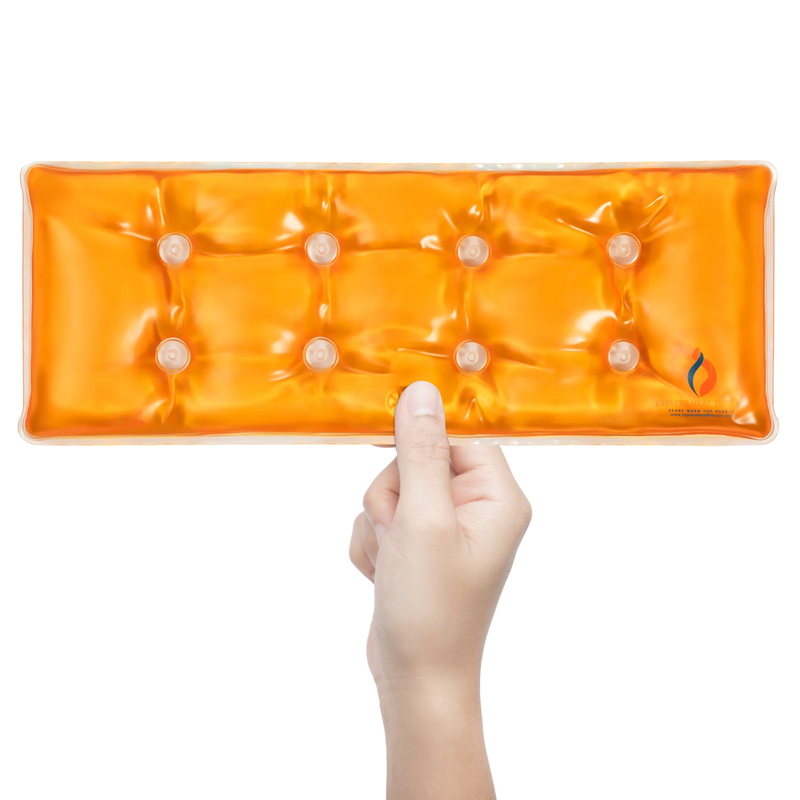
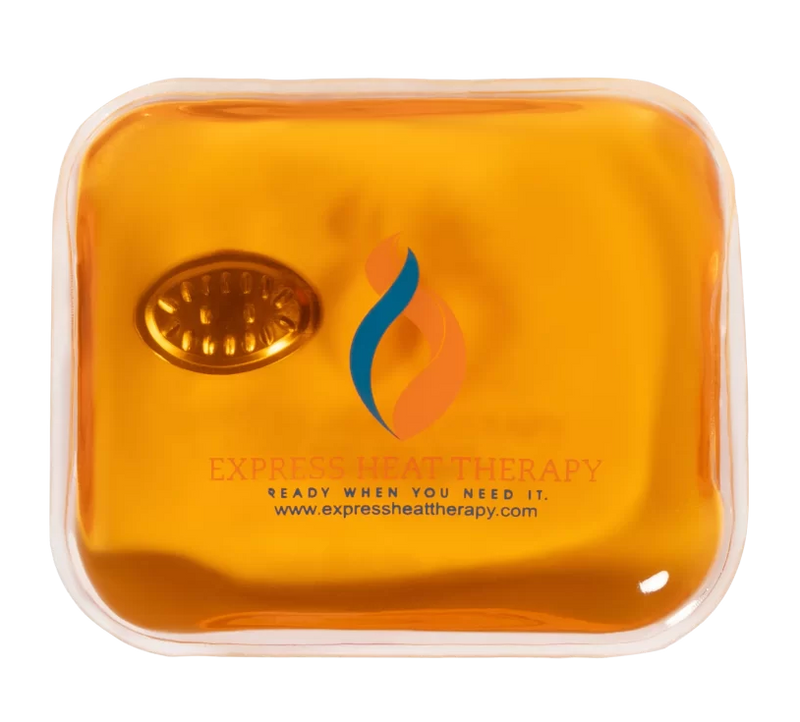
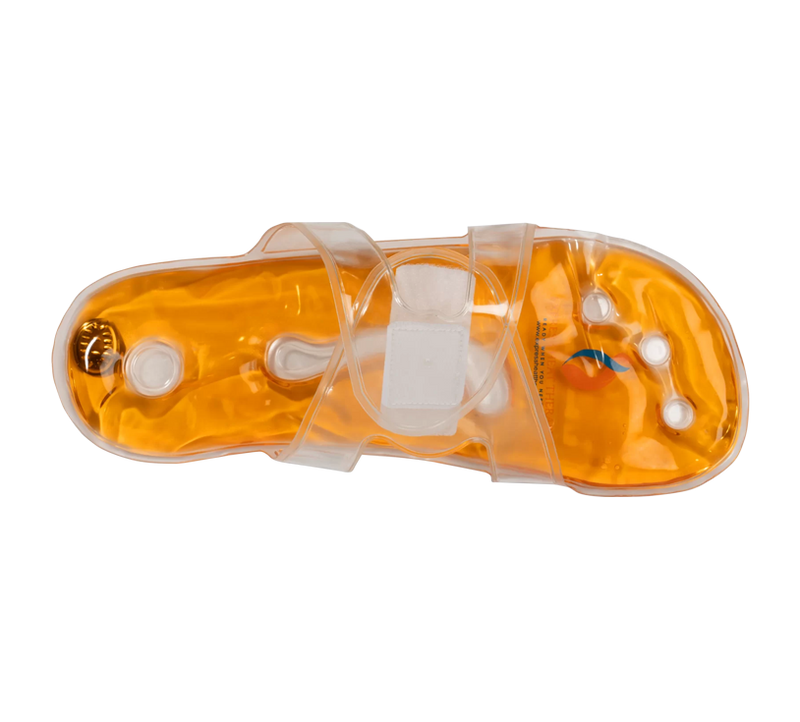
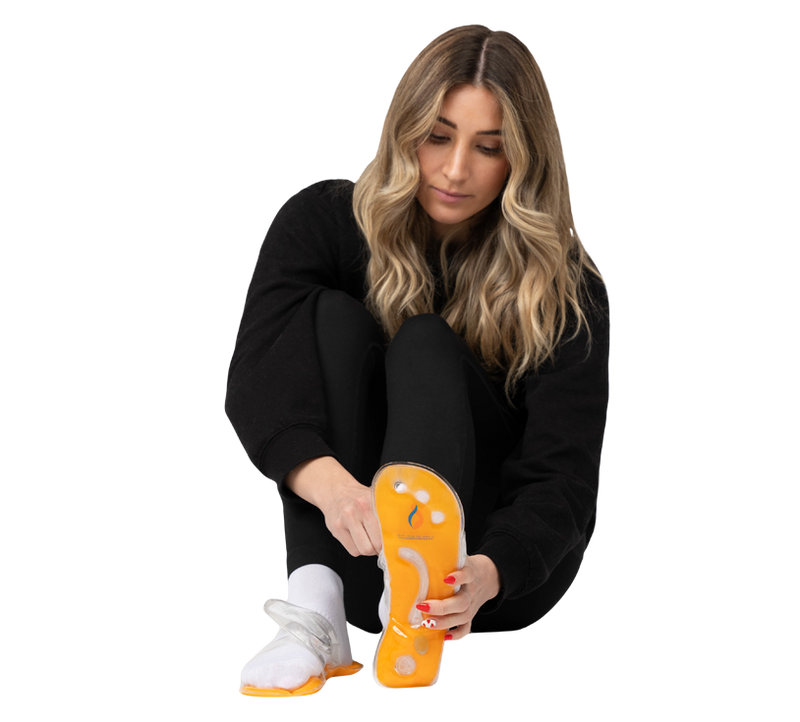
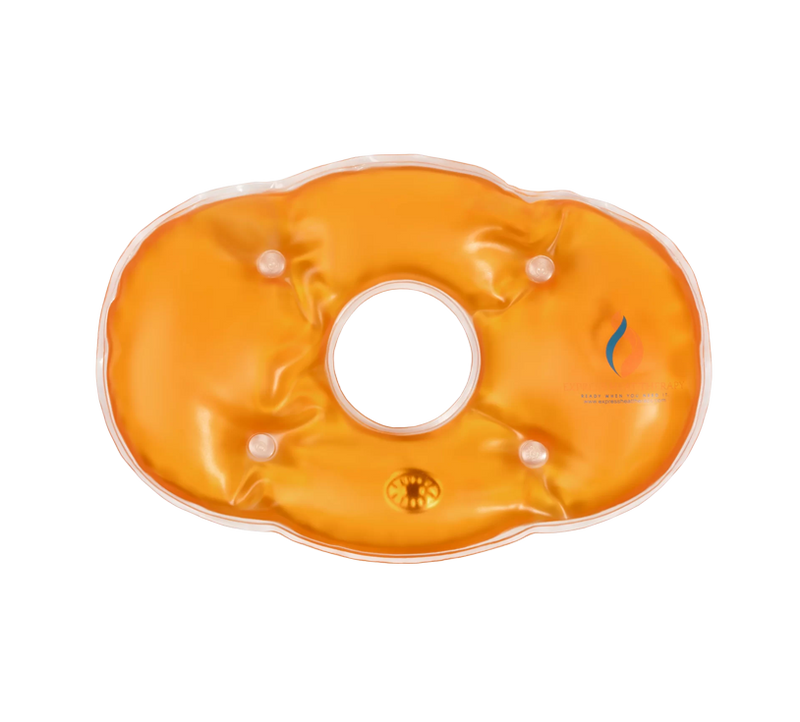
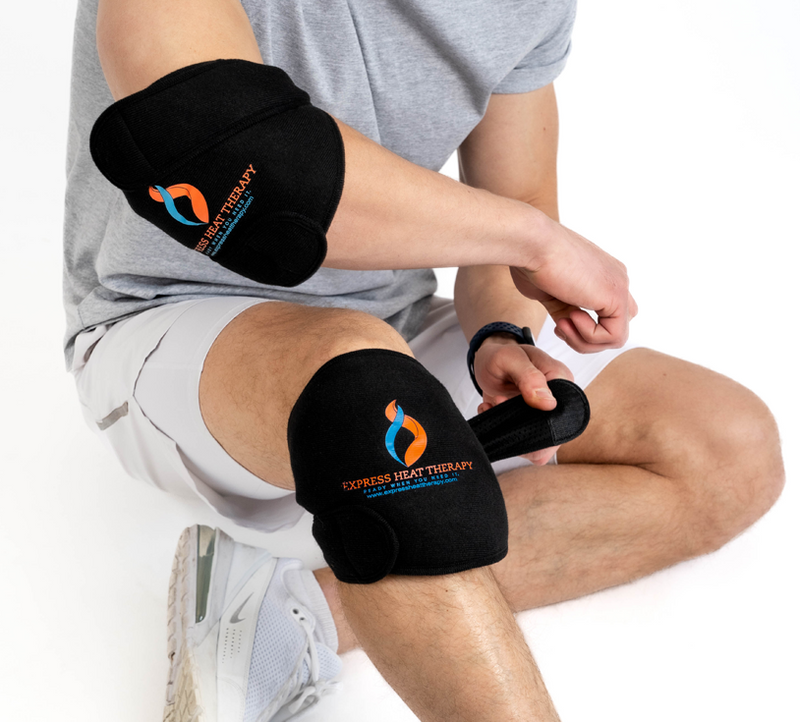
A reusable hand warmer for cold hands, which can be used daily
-
An instant hand warmer for Raynaud’s, useful for quick relief outdoors
These options make it easier for you to stay warm without relying only on gloves, especially in very cold conditions.
Note that hand warmers don’t replace medical care, but they’re a simple tool that can make your life much more comfortable.
How to Choose the Right Hand Warmer for Raynaud’s
 If you’re dealing with frequent cold hands from Raynaud’s syndrome, you need a hand warmer that keeps your hands consistently warm so you can reduce flare-ups and stay comfortable throughout the day.
Look for Steady, Lasting Heat
Because of blood vessel constriction, your fingers don’t hold warmth easily. A hand warmer that heats up quickly but cools down fast won’t be very helpful.
The best hand warmers for Raynaud’s disease should:
-
Stay warm for a reasonable amount of time
-
Provide even heat around the affected area
-
Feel comfortable when held for longer periods
A reusable hand warmer for cold hands is perfect for this. It gives steady warmth and can be used multiple times throughout the day, which is useful if your Raynaud’s symptoms come and go.
Think About When You Need It Most
Pay attention to your daily routine and your Raynaud’s phenomenon triggers. For example:
-
Do your hands get cold during your commute?
-
Do you sit in air-conditioned spaces for long hours?
-
Do your symptoms suddenly occur when touching cold objects?
If your triggers are unpredictable, we recommend carrying a portable hand warmer. It fits easily in your pocket or bag, so your hands don't freeze when temperatures drop.
Quick Relief vs Long-Term Use
Different situations call for different types of warmth.
-
An instant hand warmer for Raynaud’s is helpful when you suddenly feel your hands going numb or cold
-
A reusable option is better for longer periods, like working at a desk or relaxing at home
Many people end up using both, instant warmth for emergencies and reusable heat for daily comfort.
Comfort, Safety, and Ease of Use
When symptoms start, your fingers may feel stiff, numb, or less responsive. This is one of the more frustrating side effects of Raynaud’s syndrome.
That’s why your hand warmer should:
-
Be easy to activate
-
Not require too much grip strength
-
Feel comfortable holding even when your hands are sensitive
If it’s difficult to use, you’re less likely to rely on it when you actually need it.
Also, if you’ve ever wondered, does Raynaud’s syndrome affect blood pressure? Rest assured that it doesn’t. It mainly affects small blood vessels in the hands rather than overall blood pressure.
Wrapping Up

Living with Raynaud’s can be frustrating, especially when something as simple as cold air makes your hands uncomfortable. But once you understand what Raynaud’s syndrome is and what triggers it, managing it becomes much easier.
However, you should know that hand warmers are not a cure, but they are one of the most practical ways to manage the syndrome. By keeping your hands warm, you reduce the chances of blood vessel constriction, support better circulation, and make daily activities more comfortable. This is why many people rely on heat therapy for Raynaud’s phenomenon as part of their routine.
Whether you choose a reusable hand warmer for cold hands or an instant hand warmer for Raynaud’s, the important thing is to use them consistently.
FAQs
Do hand warmers help with Raynaud’s?
Yes. Hand warmers help keep your hands warm, which reduces how often symptoms occur and how severe they feel.
Do hand warmers actually improve blood circulation in Raynaud’s patients?
They help indirectly. By warming the hands, they reduce blood vessel constriction, allowing blood to flow more easily.
Are hand warmers safe to use if you have Raynaud’s syndrome?
Yes, when used properly. Avoid very high heat and always follow usage instructions to prevent skin irritation.
Can I use hand warmers every day if I have Raynaud’s?
Yes. Many people use them daily, especially in cold weather or environments that trigger symptoms.
What worsens Raynaud’s?
Cold temperatures, stress, and direct contact with cold objects are common Raynaud’s phenomenon triggers.
Do your hands get purple with Raynaud’s syndrome?
Yes. In some cases, fingers can turn white, blue, or purple due to reduced blood flow, then red as circulation returns.


