

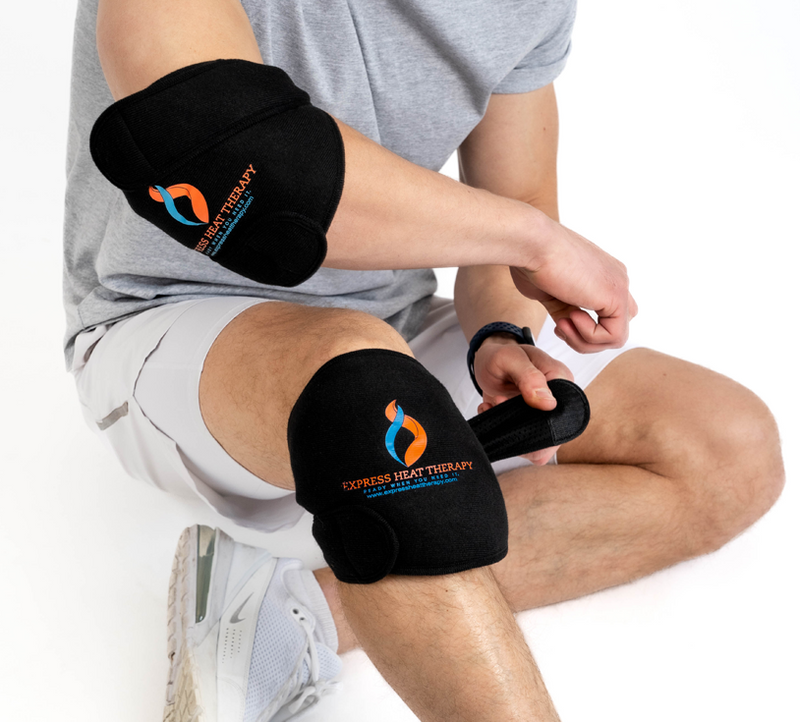



When something starts to hurt, most people do one of two things: they reach for ice or heat. But which one actually helps? Well, we’ll tell you.
In this guide, we’ll explain what cryotherapy is, what heat therapy is, and how each one works. You’ll also learn the benefits of cryotherapy, the benefits of heat therapy, when to use each one, and whether you can use both together for better results.
What is Cryotherapy?

Cryotherapy simply means using cold to treat pain or injury. This could be as simple as placing an ice pack on a sore area or using cold therapy products designed for targeted relief.
Most people use cryotherapy for new injuries, such as a twisted ankle, a fall, or any injury that causes inflammation and swelling. When something is injured, the body sends fluid to that area, causing swelling. Cold helps slow that process down.
Benefits of Cryotherapy
Cryotherapy works by tightening blood vessels and reducing activity in the affected area. This helps:
-
Reduce swelling and inflammation
-
Numb pain quickly
-
Limit further irritation after an injury
This is why cold therapy is usually the first step for sprains or sudden injuries.
Cryotherapy Side Effects
Although helpful, cryotherapy isn’t meant for long or excessive use. Leaving ice on for too long can irritate the skin or reduce blood flow too much.
Some common cryotherapy side effects include:
-
Skin redness or irritation
-
Temporary numbness
-
Discomfort if applied directly without a barrier
That’s why it’s important to use cold therapy in short sessions and always place a cloth between the ice and your skin.
When to Use Cryotherapy
Cold therapy works best in the early stage of pain, especially within the first 24 to 48 hours after an injury. Use cryotherapy when you notice:
-
Swelling
-
Sharp or sudden pain
-
Heat around the injured area
In summary, if the area looks swollen or inflamed, cold is usually the better option.
Next, we’ll look at what heat therapy is, how it works, and when it’s the better choice for pain relief.
What is Heat Therapy?

Heat therapy is the use of warmth to relax muscles and ease pain. Unlike cold therapy, which is used for swelling, heat is better for tightness, stiffness, and ongoing discomfort.
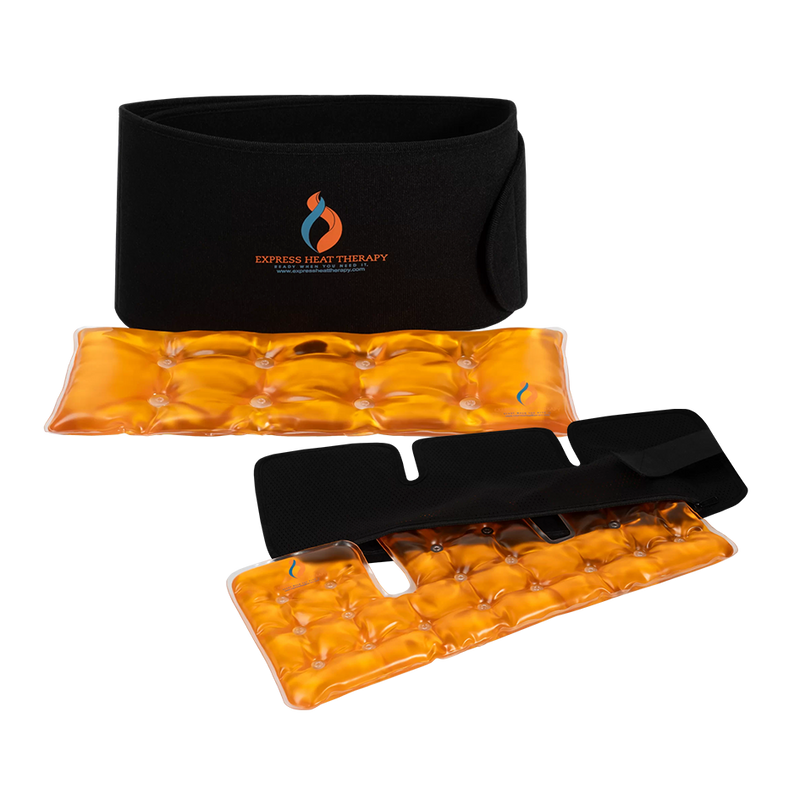
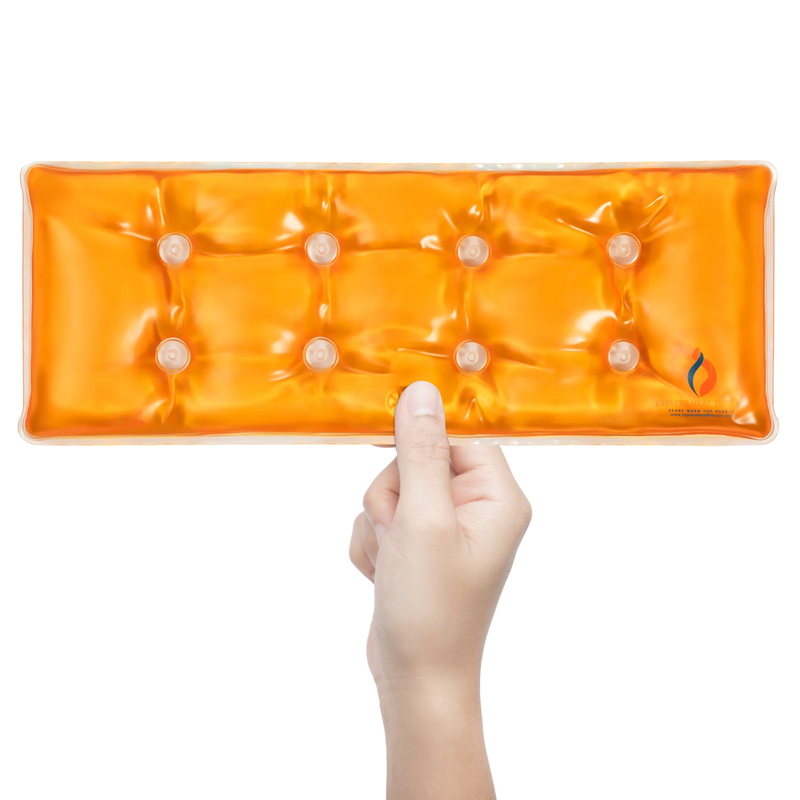
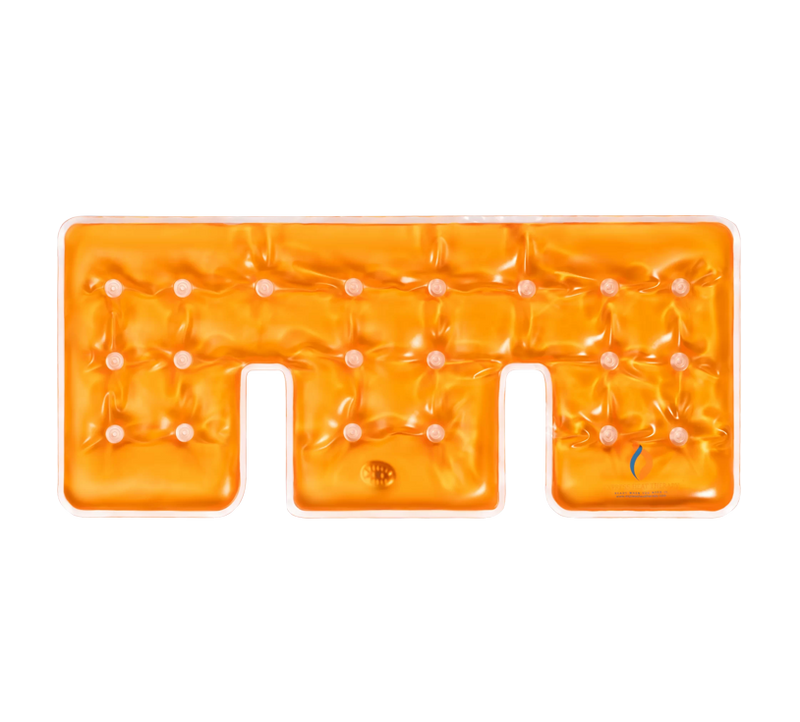
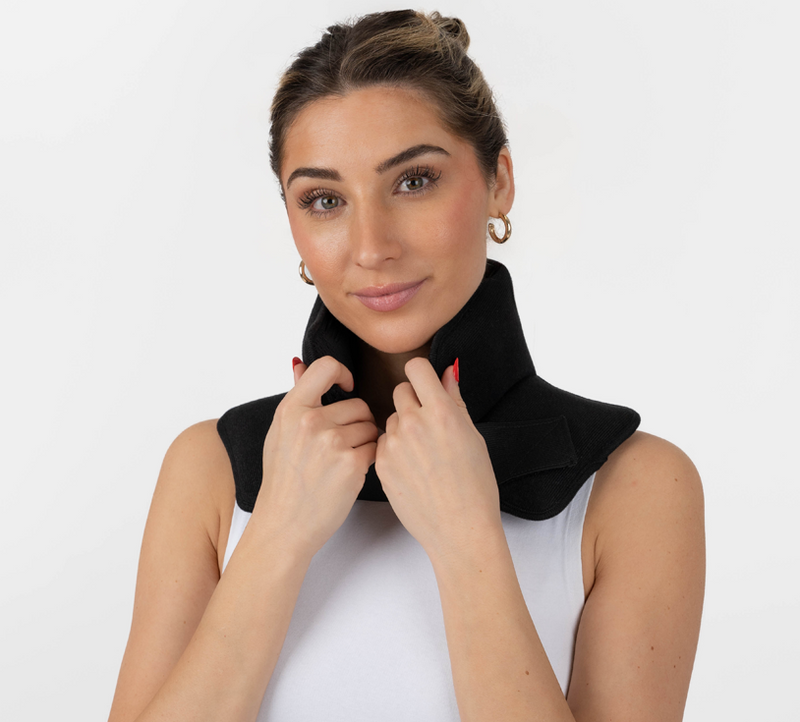
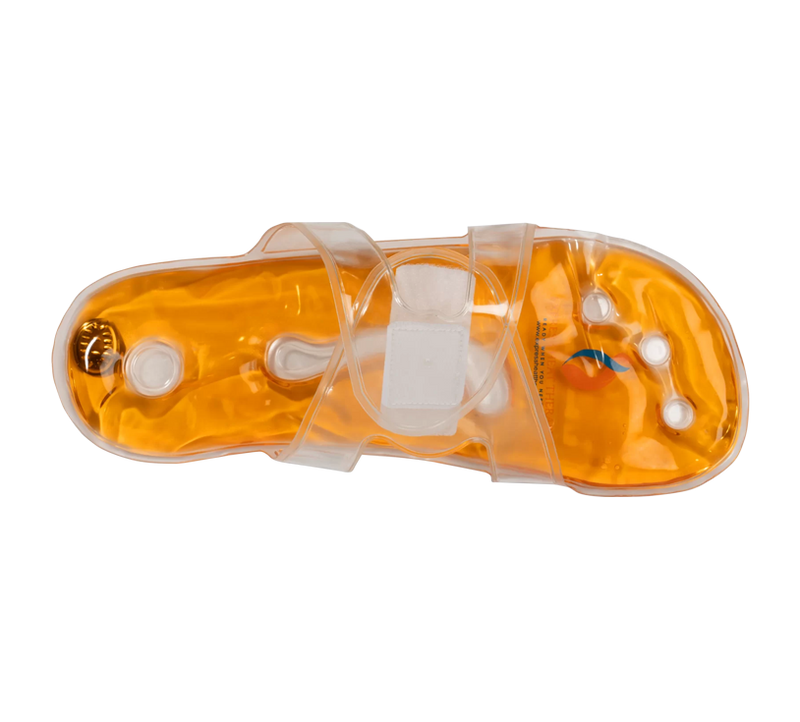
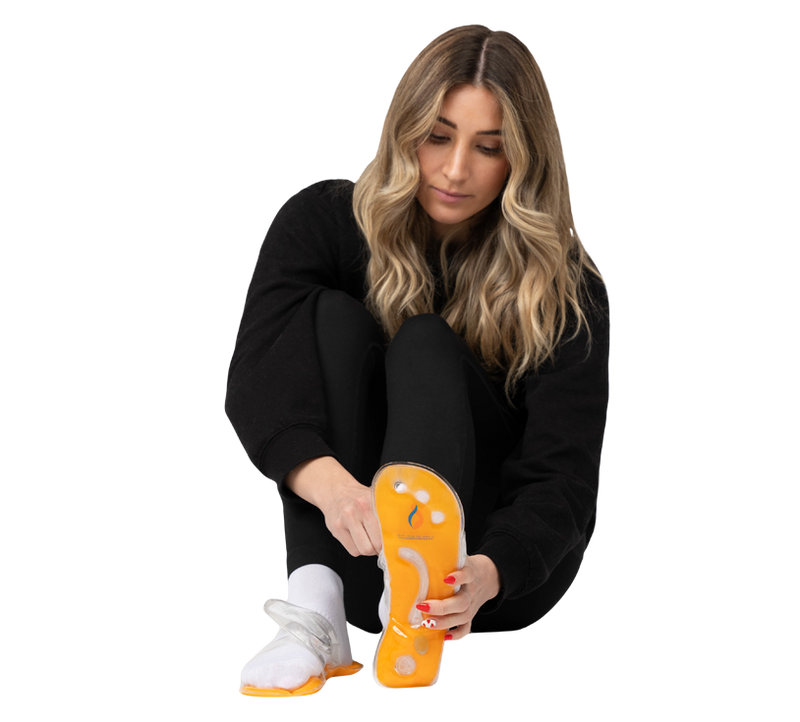
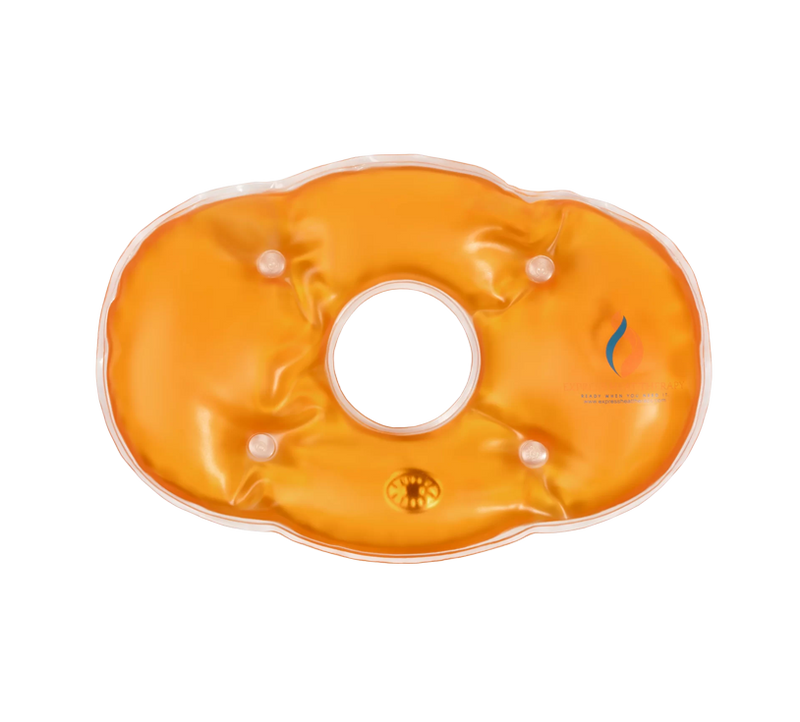
You’ve probably used a warm shower for a sore back or a heating pad for cramps. That same idea applies here. A heat therapy pad provides steady warmth directly to the area that needs relief.
Benefits of Heat Therapy
Heat works by opening up blood vessels and improving circulation. This helps muscles loosen and reduces that tight, uncomfortable feeling.
Some key benefits of heat therapy include:
-
Relieves muscle tightness and muscle knots
-
Improves blood flow for better muscle recovery
-
Helps with chronic pain, such as back or neck pain
-
Eases stiff joints and improves movement
-
Helps improve flexibility over time
This is why heat is often used for pain that has been causing you stress for a while, rather than a new pain.
When to Use Heat Therapy
Heat therapy works best when there is no swelling, so it’s best to use heat when you notice:
-
Dull continuous pain
-
Tight muscles or muscle knots
-
Stiffness after sitting or resting
-
Limited movement or reduced flexibility
Let’s now compare cryotherapy and heat therapy directly so you can clearly understand which to use in different situations.
Cryotherapy vs Heat Therapy: Which Is Best?

When people ask about cryotherapy vs heat therapy, what they’re really asking is: what should I use right now for this pain? The answer depends on what your body is dealing with, because cold and heat do two very different things, as explained earlier.
The first thing to do before choosing is to consider how the pain feels.
-
Did it just happen?
-
Is there inflammation and swelling?
-
Or does it feel tight, stiff, and continuous?
Use Cryotherapy for New Injuries
Cryotherapy (cold therapy) is most effective in the early stages of pain, especially for new injuries. Think about situations when:
-
You twist your ankle while walking
-
You feel a sharp pull in your leg
-
You notice swelling after a minor fall
These are common sprains or sudden injuries that often come with swelling. Cold helps by reducing inflammation and swelling, numbing sharp pain, and slowing down irritation in the area.
If you use heat in this stage, it can actually increase swelling and make things worse. That’s why cold is the safer choice right after an injury.
Use Heat Therapy for Ongoing Pain
Heat therapy is better once the swelling has subsided or when the pain is not due to a recent injury. It works well for:
-
Chronic pain that keeps coming back
-
Tight areas with muscle knots
-
Stiff joints that are difficult to move
For example, you can use it when your lower back is stiff after sitting all day, when your shoulders are stiff from stress, or when your legs are heavy and sore after a long day.
Heat helps by relaxing tight muscles, improving blood flow, and enhancing flexibility over time. This is why heat is used for comfort and recovery, not emergency treatment.
Muscle Recovery: When to Use Each
Both cold and heat can support muscle recovery, but you need to understand that timing is important.
-
Right after activity or strain: Use cold to reduce irritation
-
Later on (hours or next day): Use heat to relax muscles and reduce tightness
For example, after a long walk or workout, if you feel any part of your body is swollen, use cold therapy. But if every part of your body just feels stiff, then use heat therapy.
Wrapping Up

If you’re unsure of how you feel, then use this simple rule: For swelling, sharp pain, or recent injury (go with cryotherapy), and for tightness, stiffness, or ongoing discomfort (go with heat therapy).
If you plan to use both:
-
Start with cold for 10–15 minutes
-
Wait a bit, then apply heat for another 10–15 minutes
-
Don’t apply them back-to-back without a break
-
Always protect your skin with a cloth or cover
This method can help reduce pain while also loosening tight areas, such as muscle knots or stiff joints.
FAQs
What is the difference between cryotherapy and heat therapy?
Cryotherapy uses cold to reduce inflammation and swelling, especially after new injuries like sprains. Heat therapy uses warmth to relax muscles, ease muscle knots, and improve blood flow.
What not to do after cryotherapy?
After using cold therapy, avoid applying heat immediately, as it can reverse the effect. Also, don’t expose the area to extreme temperatures or intense activity right away. Let the area return to normal before doing anything strenuous.
What are the dangers of cryotherapy?
If used incorrectly, cryotherapy can cause skin irritation, numbness, or even mild frostbite. This usually happens when ice is applied directly to the skin or left on for too long. Always use a cloth barrier and limit your sessions to about 10–15 minutes.
When should you not do cryotherapy?
Avoid cryotherapy if the area is already stiff without swelling, or if you have poor circulation or sensitivity to cold. Cold therapy is not ideal for chronic pain or stiff joints; heat is usually better in those cases.
How to get the best results from cryotherapy?
Use cryotherapy early, especially within the first 24–48 hours after an injury. Apply it in short sessions, protect your skin, and allow breaks between applications. For best results, combine it with rest and switch to heat later if stiffness develops.