





When you have elbow pain, everyday activities can be surprisingly difficult. Simple movements like lifting a bag, typing on a keyboard, or even gripping a cup can become uncomfortable when the elbow joint is irritated.
For many people, this discomfort develops gradually from repetitive movements, overuse, or conditions such as tennis elbow.
The good news is that gentle movement can help. Targeted exercises for elbow pain can improve flexibility, strengthen the muscles that support the joint, and reduce stiffness over time.
In this article, we’ll explore simple and effective exercises for elbow pain, including easy exercises to relieve tennis elbow pain, ways to improve elbow joint mobility, and practical tips on how to relieve elbow joint pain safely at home.
Why Exercise Helps Relieve Elbow Pain

The elbow is a complex joint that relies on surrounding muscles, tendons, and ligaments to function properly. Repetitive activities such as typing, lifting, sports, or manual work can strain these tissues. Over time, this strain can lead to conditions such as tennis elbow, in which the tendons around the joint become irritated.
When elbow pain begins, many people instinctively try to avoid moving the joint. While short periods of rest can help reduce irritation, complete inactivity can sometimes make the problem worse.
Gentle movement is part of recovery, which is why many healthcare providers recommend physical therapy exercises for elbow pain.
Targeted movement helps in several ways. It improves blood flow to the area, reduces stiffness, and strengthens the muscles that support the elbow. When done consistently and safely, these movements can help people learn how to relieve elbow joint pain and gradually return to normal activities.
Another important benefit is that exercise helps restore joint mobility. Certain elbow joint mobility exercises gently stretch and strengthen the surrounding muscles, which can reduce tension on the tendons that cause discomfort.
Many rehabilitation programs include easy exercises to relieve tennis elbow pain, especially movements that strengthen the forearm muscles. These exercises help distribute stress more evenly across the joint, allowing the irritated tendons to recover.
At the same time, it’s important to recognize what not to do with tennis elbow. Activities that involve repeated gripping, heavy lifting, or sudden twisting motions can worsen symptoms if the joint has not healed.
When combined with supportive treatments such as rest, posture correction, and sometimes exercise and heat therapy, targeted movements can play a major role in recovery. Learning how to heal elbow pain with exercises involves a gradual approach, starting with gentle stretches and progressing toward strengthening exercises as the joint improves.
In the next section, we’ll look at some of the most effective exercises for elbow pain that can help restore strength and mobility safely
Best Exercises for Elbow Pain Relief
These movements are commonly included in physical therapy exercises for elbow pain because they support healing while gradually improving strength and mobility.
NOTE: If the exercises cause sharp pain, it’s important to stop and allow the joint to rest.
Below are some gentle, effective movements that can help people learn how to heal elbow pain with exercises.
1. Wrist Flexor Stretch

This stretch helps loosen the muscles on the inside of the forearm, which often become tight with repetitive activities.
How to do it:
-
Extend one arm straight in front of you with your palm facing up.
-
Use your opposite hand to gently pull the fingers downward toward the floor.
-
Hold the stretch for 15–30 seconds.
-
Repeat 2–3 times on each arm.
This movement is recommended as an easy exercise to relieve tennis elbow pain because it helps reduce tension in the tendons around the elbow.
2. Wrist Extensor Stretch

This stretch targets the outer forearm muscles, which are commonly affected in tennis elbow. How to do it:
-
Extend one arm straight in front of you with the palm facing down.
-
Use your other hand to gently bend the wrist downward.
-
Hold for 15–30 seconds.
-
Repeat 2–3 times on each arm.
This stretch can help reduce stiffness and support people looking for ways to relieve elbow joint pain through gentle movement.
3. Forearm Rotation (Supination and Pronation)

This exercise improves mobility in the elbow and forearm while strengthening the surrounding muscles.
How to do it:
-
Bend your elbow at a 90-degree angle close to your body.
-
Slowly rotate your palm upward.
-
Then rotate your palm downward.
-
Perform 10–15 repetitions.
These types of elbow joint mobility exercises help restore natural movement patterns that may become limited due to pain or stiffness.
4. Gentle Grip Strengthening

Strengthening the forearm muscles can support the elbow joint and reduce stress on irritated tendons.
How to do it:
-
Hold a soft stress ball or rolled towel in your hand.
-
Slowly squeeze and hold for 5 seconds.
-
Release and repeat 10–15 times.
This exercise is recommended in rehabilitation programs focused on how to heal elbow pain with exercises, as it strengthens the muscles that stabilize the joint.
5. Light Wrist Curls

Wrist curls help strengthen the forearm muscles that support the elbow. How to do it:
-
Sit with your forearm resting on a table and your palm facing upward.
-
Hold a lightweight such as a small dumbbell or water bottle.
-
Slowly lift your wrist upward and lower it back down.
-
Perform 10–12 repetitions.
As strength improves, these exercises can become part of a long-term routine for maintaining elbow health.
These exercises for elbow pain are most effective when performed consistently and combined with proper rest and recovery. Many people also find that exercise and heat therapy can help relax the muscles before or after stretching.
Exercise and Heat Therapy for Elbow Pain Relief
Heat helps increase blood flow to the muscles and tendons around the joint. Improved circulation can relax tight tissues, reduce stiffness, and prepare the joint for movement. When the elbow is stiff or sore, applying heat before stretching may make elbow joint mobility exercises easier to perform.
For example, applying a heating pad for 10–15 minutes before exercise can help loosen the surrounding muscles. This can make gentle stretches and strengthening exercises more effective and comfortable.
How Heat Supports Natural Healing

Heat therapy does not replace exercise, but it can support recovery when used correctly. When paired with consistent movement and proper rest, it can help people learn how to heal elbow joints naturally.
A simple routine may look like this:
-
Apply heat to the elbow for 10–15 minutes.
-
Perform gentle elbow joint mobility exercises and stretching.
-
Follow with light strengthening movements if comfortable.
-
Rest the joint and avoid activities that cause sharp pain.
This combination of movement and warmth will help restore flexibility while gradually strengthening the muscles that support the elbow joint.
However, heat should be used carefully. If the elbow is swollen, inflamed, or recently injured, cold therapy may be more appropriate in the early stage.
Wrapping Up
It’s true that exercises are important in recovery; combining movement with heat therapy can make the process more comfortable. Many people find that exercise and heat therapy work well together when managing elbow discomfort.
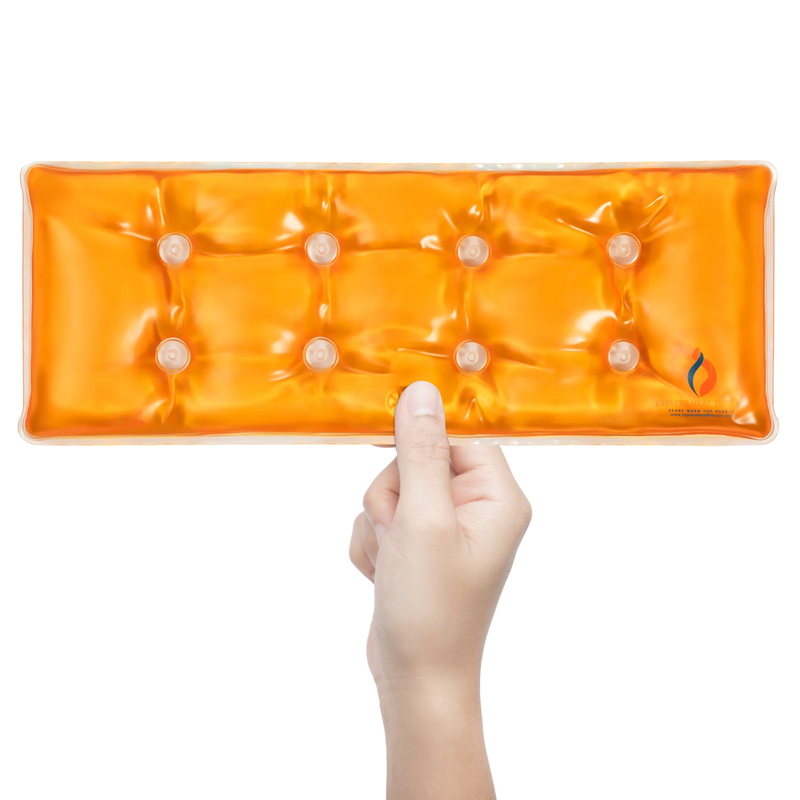
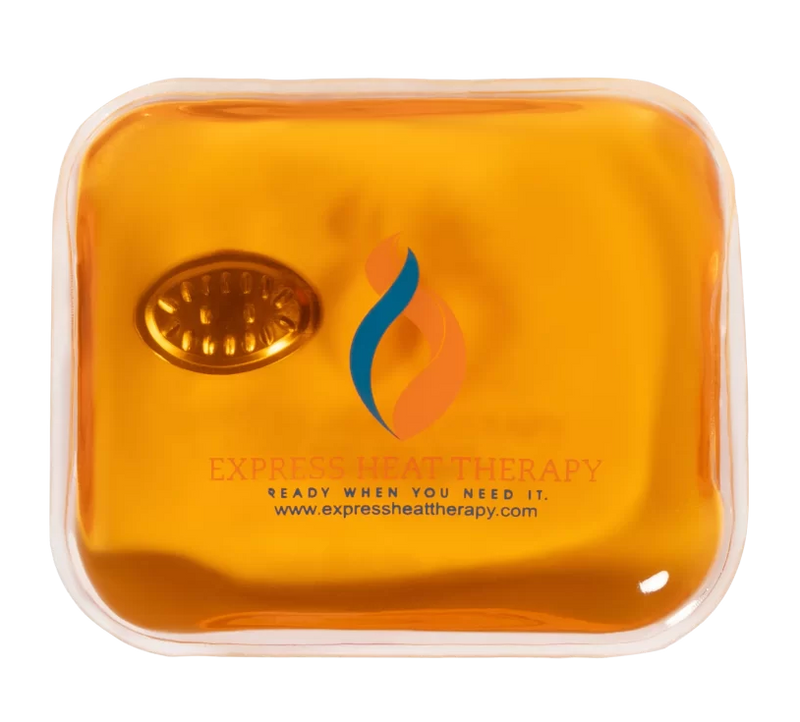
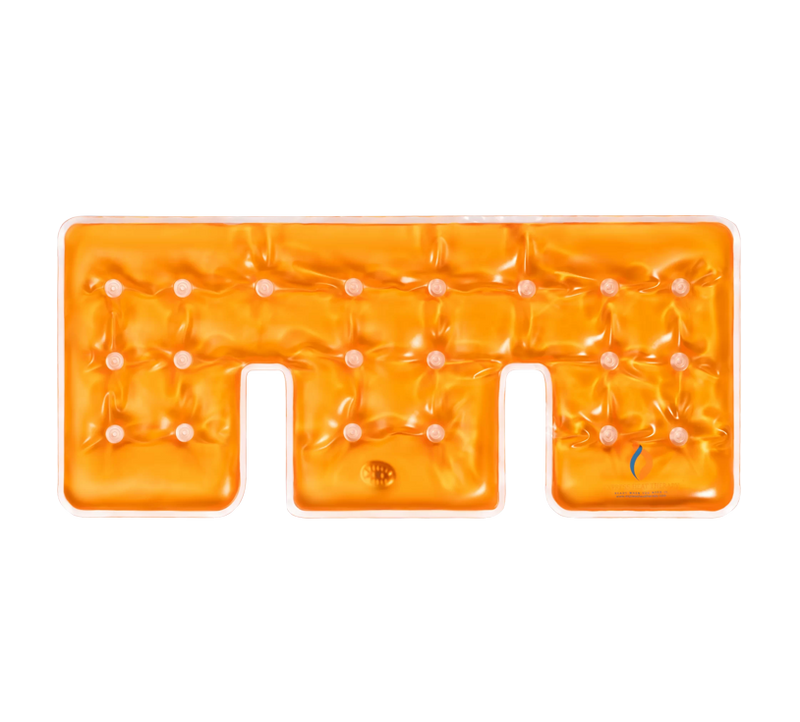
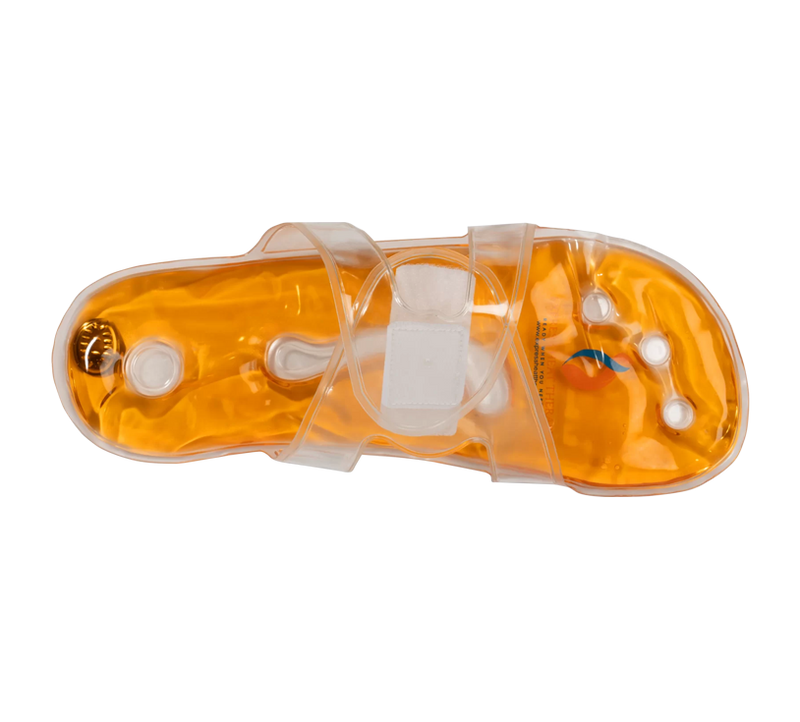
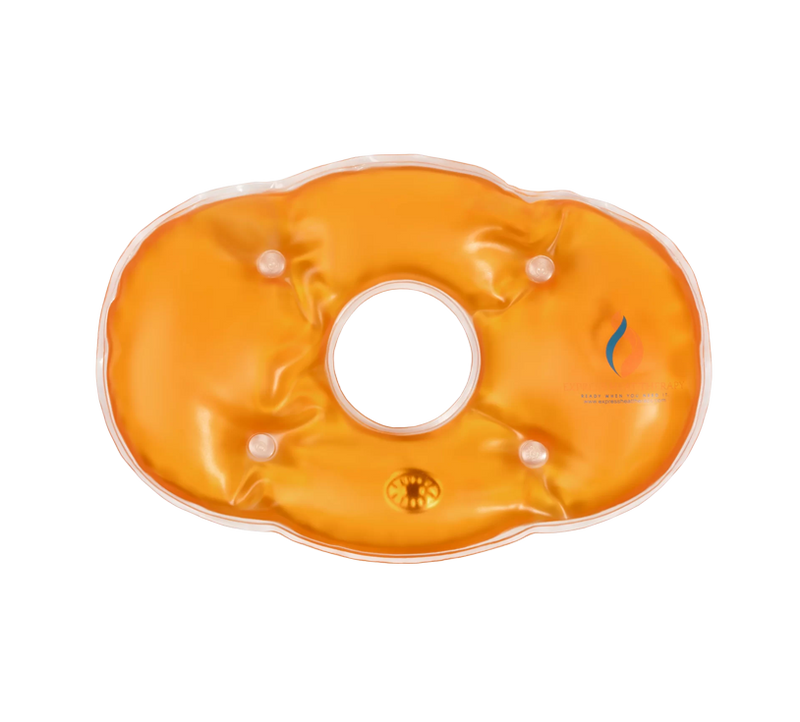
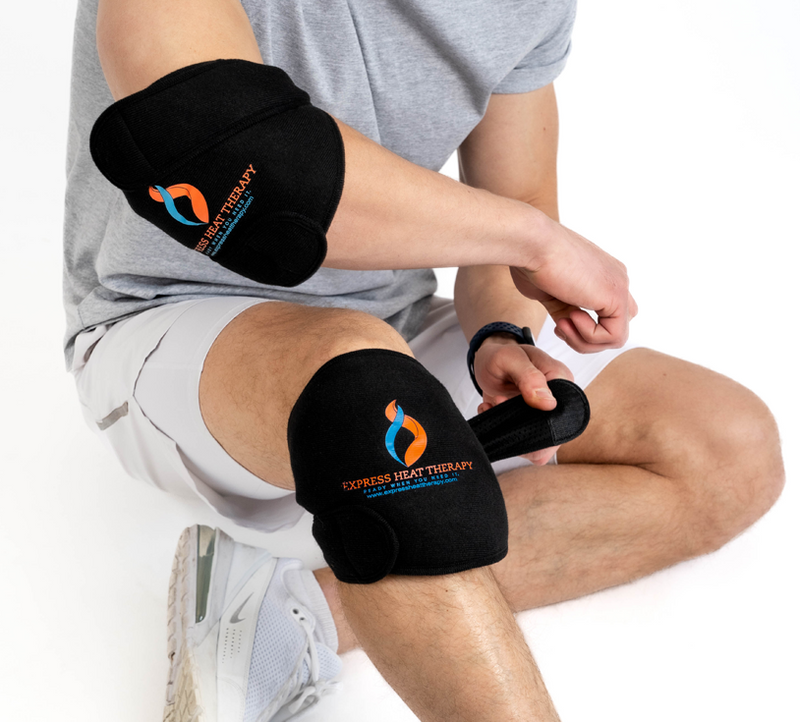
Some people also use heat after exercise to help relax the muscles and reduce lingering soreness. In these cases, using Express heat therapy, the best heating pad for elbow support can provide targeted warmth directly to the joint and surrounding tissues.
Frequently Asked Questions
What is the best exercise for elbow pain?
There is no single exercise that works for everyone, but gentle stretching and strengthening movements are often the most helpful. Wrist flexor and wrist extensor stretches are commonly recommended because they loosen the forearm muscles that connect to the elbow.
These movements are frequently included in physical therapy exercises for elbow pain because they improve flexibility and reduce tension on the tendons. When performed regularly, they can help people understand how to relieve elbow joint pain and restore normal movement.
What exercises should I avoid with elbow pain?
If you are experiencing elbow discomfort, it’s important to avoid movements that place excessive stress on the joint. This is especially important for people dealing with tennis elbow.
Some activities to limit include:
-
Heavy lifting with poor form
-
Repetitive gripping or twisting movements
-
Intense weightlifting that strains the forearm
-
Sudden or jerking arm movements
Understanding what not to do with tennis elbow can prevent further irritation and allow the tendons to heal properly.
Is a heating pad good for elbow pain?
Yes, heat therapy is helpful for many people with elbow discomfort. Applying a heating pad may help relax tight muscles and improve circulation in the affected area.
Using the best heating pad for elbow support before or after stretching can complement exercise and heat therapy routines. Heat is particularly useful when the elbow feels stiff rather than swollen.
However, if there is significant inflammation or a recent injury, cold therapy may be more appropriate during the early stage.
How to improve elbow joint health?
Maintaining elbow joint health involves a combination of movement, strengthening, and proper recovery. Regular stretching and strengthening routines help maintain flexibility and support the surrounding muscles.
Adding elbow joint mobility exercises to your routine can improve range of motion and reduce stiffness. It’s also helpful to maintain good posture, avoid repetitive strain, and give the joint adequate rest when needed.
How can you strengthen your elbows?
Strengthening the muscles around the elbow helps protect the joint from strain and injury. Exercises such as wrist curls, grip strengthening, and controlled forearm rotations can gradually build strength.
These movements are often part of programs designed to show how to heal elbow joints naturally. Over time, consistent strengthening can support better joint stability and reduce the likelihood of recurring pain.


