






Knee pain can slowly change how you live your day. You start avoiding stairs. You take longer to get up from a chair. Walking doesn’t feel as easy as it used to. For many people, this pain is usually caused by arthritis.
In this article, we’ll tell you how to treat arthritis in knee through simple workouts and non-surgical care.
But let’s first take a quick look at what knee arthritis is.
What Is Arthritis of the Knee?

Arthritis of the knee is a condition where the joint slowly wears down and becomes inflamed. The knee carries your weight every time you stand, walk, bend, or climb stairs. Over time, constant knee use can take a toll.
Inside a healthy knee, cartilage acts like a cushion between the bones. It helps the joint move smoothly and absorbs shock. When you have arthritis, the cartilage breaks down. When it thins or disappears, the bones begin to rub against each other. That’s when you start to experience pain, stiffness, and swelling.
Many people don’t notice it right away. Initially, the knee may feel stiff after prolonged sitting or sore after activity. As the condition progresses, you start to see the first sign of arthritis in knees, which is increased pain and reduced movement.
What Is the Cause of Arthritis in the Knee?

One of the most common causes of knee arthritis is wear and tear. As we age, knee cartilage naturally becomes thinner. Years of walking, standing, bending, and lifting slowly break it down. This is why knee arthritis is more common in older people.
Some other causes include:
-
Previous injuries: A past knee injury, like a ligament tear, fracture, or meniscus damage, can change how the joint moves. Even if the injury healed, it may have left the knee more vulnerable. Over time, this can lead to arthritis.
-
Extra body weight: This increases pressure on the knees. Every extra pound adds stress to the joint, especially when walking or climbing the stairs. This stress speeds up cartilage breakdown.
-
Inflammation or immune conditions: In these cases, the body mistakenly attacks the joint, causing swelling, pain, and stiffness even without heavy wear.
You may also notice that knee pain runs in families. Genetics can affect how strong your cartilage is and how your body responds to joint stress.
Let’s now look at some of the common types of knee arthritis.
Types of Arthritis in the Knee

There are three main types of knee arthritis: osteoarthritis, rheumatoid arthritis, and post-traumatic arthritis.
Osteoarthritis
This is the most common type. Osteoarthritis happens when the cartilage in the knee slowly wears down over time. It’s linked to age, past injuries, and long-term stress on the joint.
People with osteoarthritis usually notice:
-
Stiffness in the morning or after sitting
-
Pain during walking or climbing stairs
-
Swelling that comes and goes
This type is what most people refer to when they complain about knee arthritis.
Rheumatoid Arthritis
Rheumatoid arthritis is an autoimmune condition. Instead of wear and tear, the immune system attacks the lining of the joint, causing inflammation.
With this type, knee pain is often:
-
More constant
-
Accompanied by warmth and swelling
-
Felt in both knees at the same time
Because inflammation causes pain, treatment is directed toward controlling the immune response and providing joint care.
Post-Traumatic Arthritis
This type develops after a knee injury, even years later. A fracture, torn ligament, or meniscus injury can change how the knee moves. Over time, this uneven movement damages cartilage and leads to arthritis.
People are often surprised by this diagnosis because the original injury may have healed long ago.
Other Less Common Types
There are also less common forms, such as gout-related arthritis or infections, but these are usually diagnosed and treated by specialists.
Knowing the type of arthritis you have helps determine the most appropriate treatment for knee pain.
Symptoms of Arthritis in the Knee

One of the most common symptoms is pain during movement. Walking, climbing stairs, bending, or standing up from a seated position may cause discomfort.
Stiffness is another early sign. You may notice your knee feels tight in the morning or after sitting for a while. This stiffness usually improves once you start moving, but it can return after rest.
Many people also experience swelling around the knee. The joint may look puffy or feel warm to the touch. This happens because arthritis causes irritation inside the joint, leading to fluid buildup.
Another common sign of arthritis in knees is a grinding or clicking sensation when you move. This happens when cartilage wears down, and the bones don’t glide smoothly anymore.
As arthritis gets worse, you may notice:
-
Reduced range of motion
-
Weakness around the knee
-
Constant pain
-
Difficulty with balance or stability
Some people describe the pain as a dull ache, while others feel sharp discomfort during certain movements.
Recognizing these symptoms early will help you choose the right arthritis knee treatment and slow further damage.
Best Treatment for Knee Arthritis

You can treat knee arthritis with exercise or through surgical and non-surgical interventions.
Workouts
Exercise is one of the most important ways to treat arthritis in the knee. It can reduce stiffness, strengthen the joint, and help control pain over time.
You should always focus on low-impact exercise. These movements keep the knee active without causing extra damage.
Helpful workouts include:
-
Walking on flat ground to keep the joint moving
-
Cycling or stationary biking to strengthen the knee without impact
-
Swimming or water exercises to reduce pressure on the joint
-
Simple leg-strengthening exercises, like seated leg lifts or gentle squats within comfort range
These workouts support physical therapy for strength, helping the muscles around the knee take pressure off the joint.
Heat and Cold Therapy
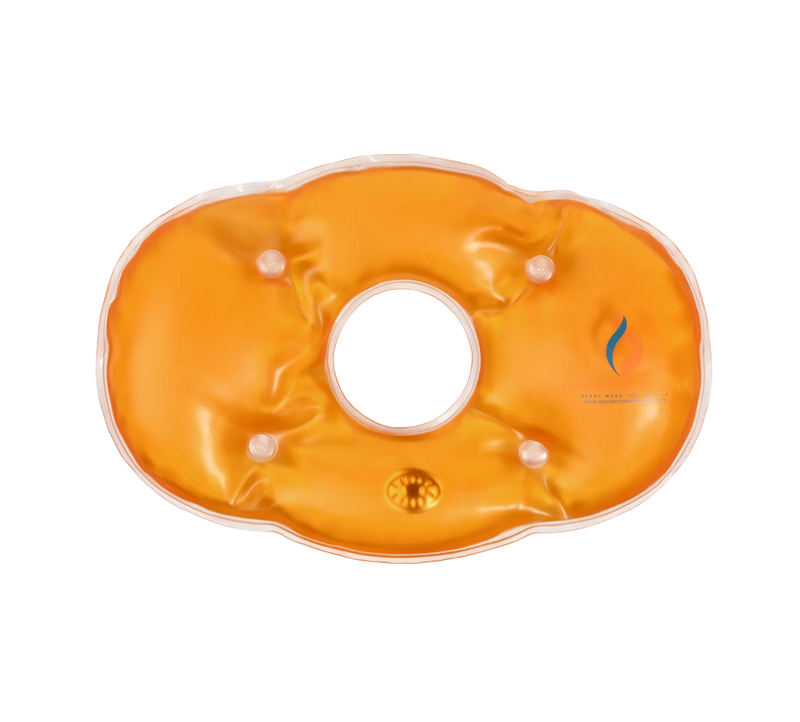
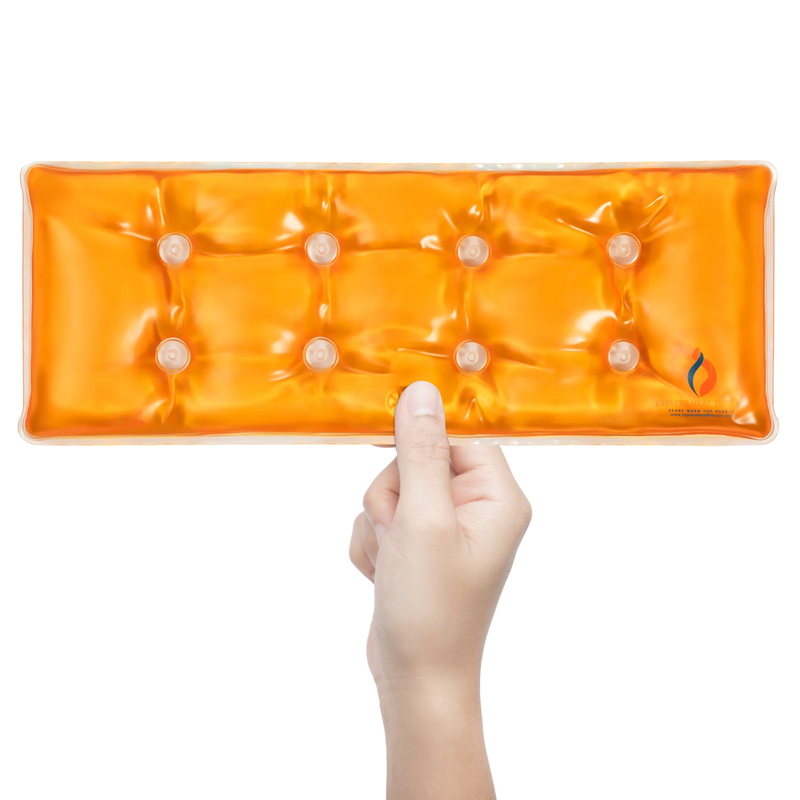
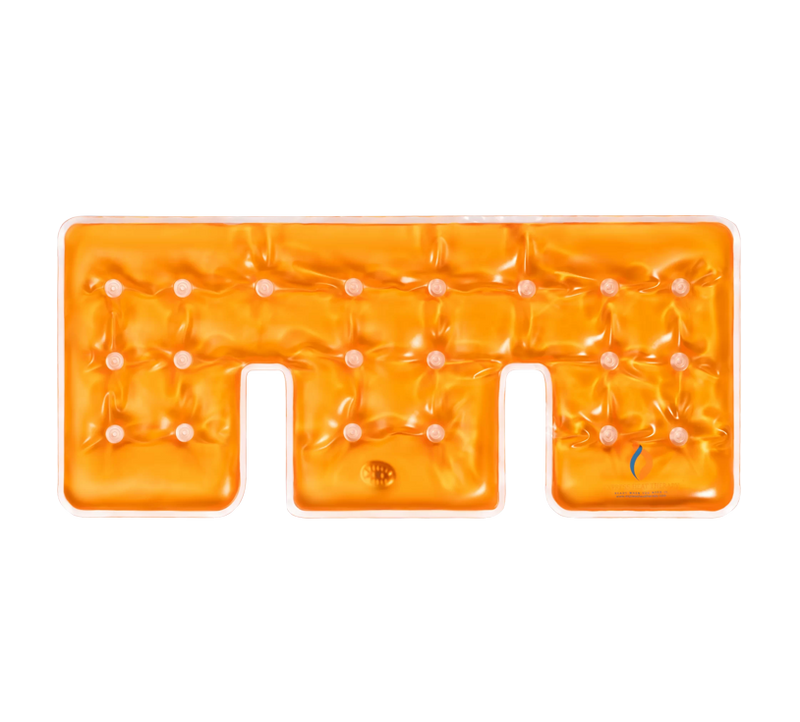
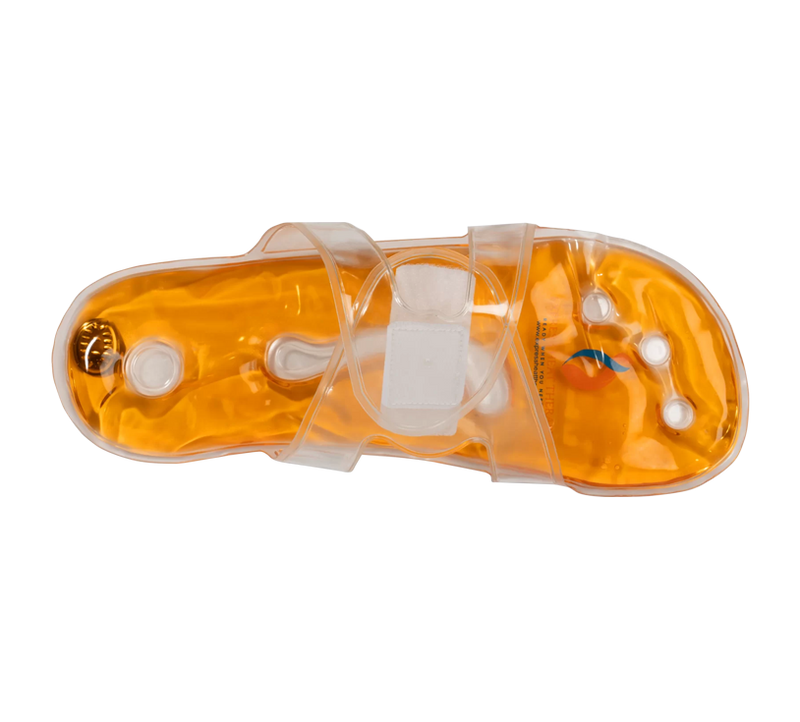
Many people ask if heat is good for arthritis in the knees. The answer is yes. Heat therapy is good for stiffness and muscle tension. It helps your muscles relax and improves your circulation before or after workouts.
Cold therapy works better when there is swelling or inflammation, especially after activity.
Lifestyle Changes That Support Treatment
Small daily changes can protect your knees:
-
Wearing supportive shoes
-
Avoiding deep squats or sudden twisting
-
Taking breaks during long periods of standing
-
Maintaining a healthy weight (this reduces pressure on the joint)
Medical and Non-Surgical Treatments
Doctors may recommend:
-
Anti-inflammatory medication
-
Topical creams
-
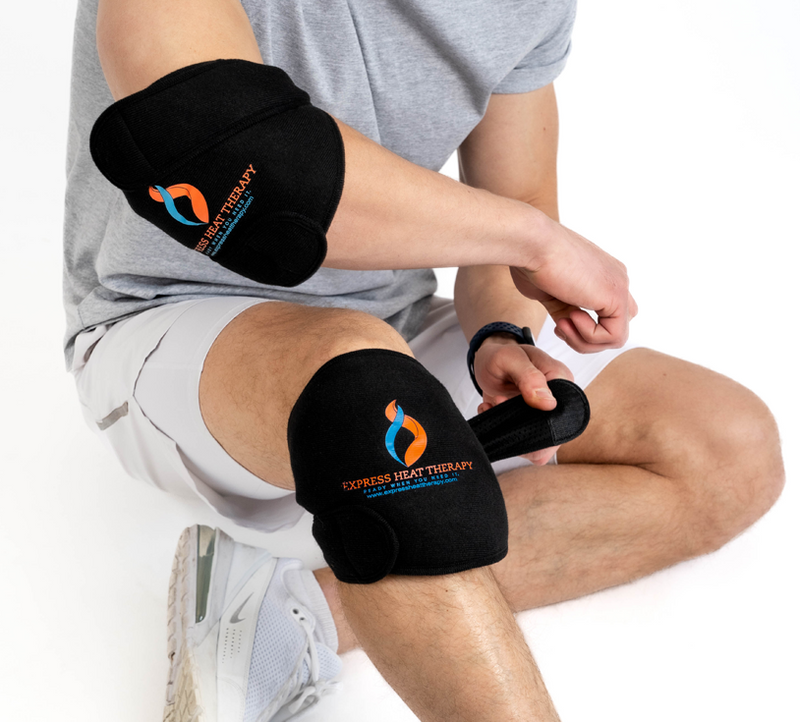
Knee braces or supports
These help manage symptoms but are most effective when used alongside physical activity.
When Surgery Is Considered
Surgical options for knee arthritis are usually a last step. Surgery may be discussed if the pain you feel becomes severe and non-surgical treatments no longer help.
Many people manage arthritis for years without surgery by staying active and consistent with self-care.
Judging by all that has been mentioned, the most effective arthritis knee treatment usually includes:
-
Regular low-impact workouts
-
Strength-focused exercises
-
Supportive lifestyle habits
When you combine these, you experience reduced pain and improved movement, even with knee arthritis.
Wrapping Up
You don’t have to stop moving or give up the things you enjoy simply because you have arthritis. Understanding how to treat arthritis in knee pain starts with knowing what’s causing it and taking small, steady steps to manage it.
The most effective approach is usually a combination of low-impact workouts, strength-building exercises, heat or cold therapy, and simple lifestyle changes. Staying active helps reduce stiffness, protect the joint, and improve knee function over time. For many people, non-surgical treatments are enough to manage the symptoms of knee arthritis.
FAQs
What does arthritis in the knee feel like?
Knee arthritis feels like a dull ache, stiffness, or soreness that gets worse with movement. Some people notice swelling, tightness in the morning, or a grinding feeling when bending the knee.
Is heat good for arthritis knees?
Yes. Heat is helpful for stiffness and muscle tension. It relaxes the muscles around the knee and improves circulation. Cold therapy is more effective when the knee is swollen or inflamed.
Is knee arthritis worse in cold weather?
For many people, yes. Cold weather can make the joints feel stiffer and more painful because the muscles tighten and circulation slows down. Using heat and staying active can help manage this.
Does losing weight help arthritis in knees?
Yes. Losing weight reduces pressure on the knee joint. Even small weight loss can ease pain and improve movement over time.
Can exercise make knee arthritis worse?
The wrong type of exercise can increase pain, but low-impact exercise usually helps. Walking, cycling, swimming, and gentle strength training support the knee and reduce stiffness when done correctly.